Charley Pride died on December 12, 2020, in Dallas, Texas, from complications of COVID-19. He was 86. When country music gathered to honor him on television eight months later, most people expected the night to begin with his biggest hit. It began with a much smaller song instead. That song was “I’m Just Me.”
A Voice Before a Face
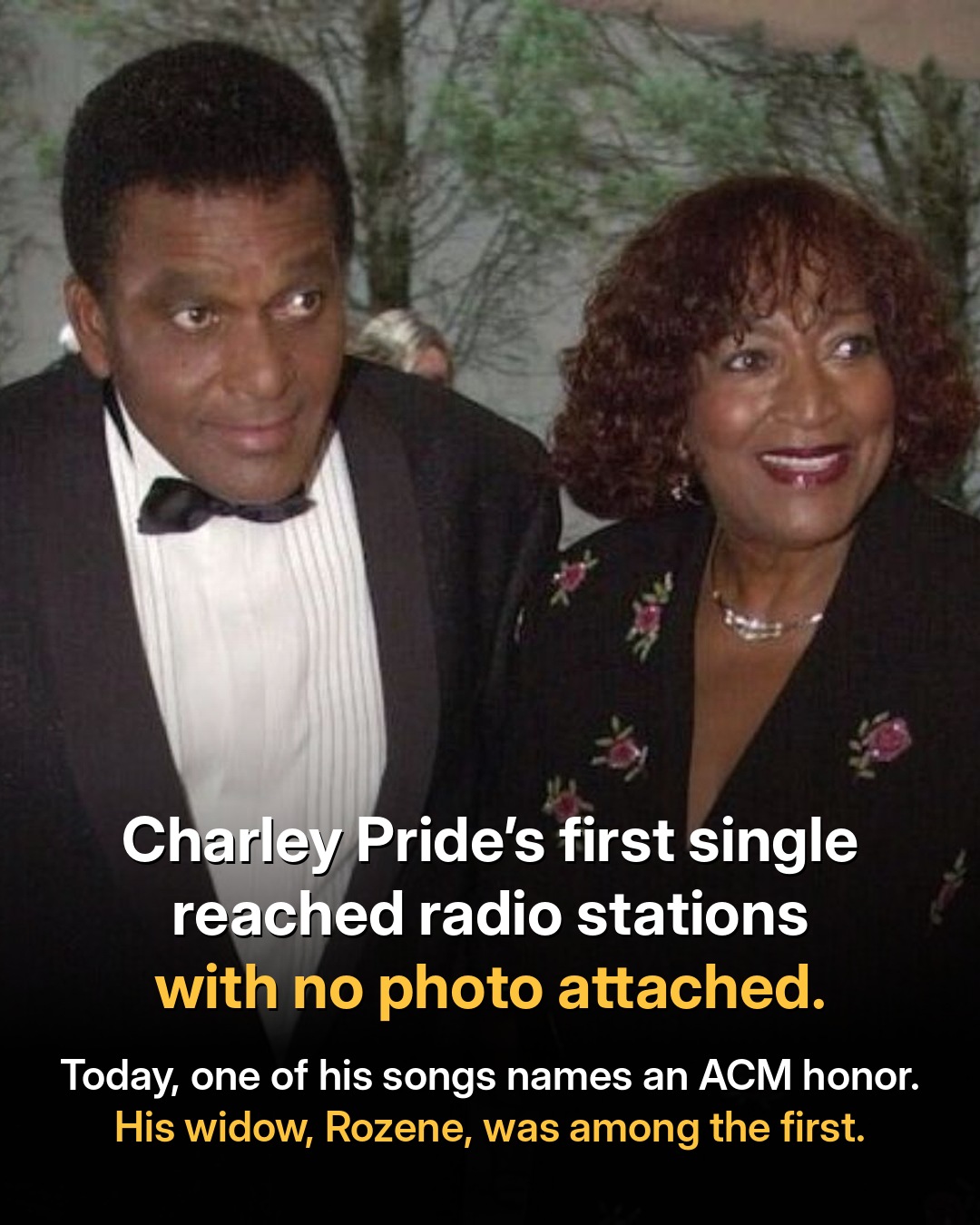
When Charley Pride’s first single for RCA went out to radio stations in 1966, it was billed as “Country Charley Pride,” with no photo attached. Listeners met the voice first, a warm, steady baritone that sounded completely at home in country music. Only later did many of them learn that the man behind it was Black, the son of sharecroppers from Sledge, Mississippi, and a former pitcher in the Negro American League.
What followed was one of the great careers in country music. Charley Pride earned 29 No. 1 hits on Billboard’s Hot Country Songs chart, won CMA Entertainer of the Year in 1971, and in 2000 became the first Black member of the Country Music Hall of Fame.
He also faced the same question again and again. Interviewers kept asking how it felt to be the “first,” whether the word they used was colored, Negro, Black or African American. He grew tired of it. Late in life he put it simply:
“I’m no color. I’m just Charley Pride, the man.”
The Song Nobody Treated as an Anthem
In June 1971, Charley Pride released “I’m Just Me,” written by songwriter Glenn Martin and produced by “Cowboy” Jack Clement. It became his seventh No. 1 on the country singles chart and held the top spot for four weeks. It runs just over two minutes.
The song never mentions race. It is about a man who says he is no better and no worse than anyone else. He is only the person standing in front of you, and he means to stay that way every day. There is no boasting in it and no begging.
That same year, Charley Pride recorded “Kiss an Angel Good Mornin’,” the song most people still name first when they think of him. “I’m Just Me” slowly slid into the background.
The Last Bow
In 1997, Charley Pride had surgery to remove a tumor from his right vocal cord, and he kept singing afterward. On November 11, 2020, he accepted the CMA’s Willie Nelson Lifetime Achievement Award in Nashville and performed on national television one last time. He was admitted to the hospital in late November, and on December 12 he was gone.
The Night the Small Song Came Back
On August 25, 2021, CMT aired CMT Giants: Charley Pride, with stars including George Strait, Alan Jackson and Darius Rucker. Mickey Guyton, a Black woman building her own career in country music, opened the night. She chose “I’m Just Me.”
Mickey Guyton said Charley Pride had an impact on almost every space she occupies as an artist. Hearing her sing his words, the song no longer sounded like one man describing himself. It sounded like a promise he had kept for 50 years.
A Title That Kept Growing
The song had already taken on a second life before Charley Pride died. In 2019, PBS used its title for his American Masters documentary, Charley Pride: I’m Just Me. In the film, his wife Rozene, whom he married in 1956, talked about the life they had built together.
After his death, the title grew again. In 2024, Amazon MGM Studios and the Academy of Country Music launched I’m Just Me: A Charley Pride Celebration of Inclusion, a yearly event during ACM Awards week that honors artists and industry leaders who are widening the genre. His widow Rozene and his son Dion Pride were among the first honorees. In 2025, Mickey Guyton hosted the event, the same singer who had opened his TV tribute with the song.
A song about one man being nothing more than himself now gives its name to the room where country music honors the people he made room for.
Why It Still Lands
In 1971, “I’m Just Me” sounded like a modest shrug. Today it sounds like the way Charley Pride lived. He was asked for decades to be a symbol, and he kept answering that he was a country singer. He asked to be heard for his voice, and he was.
Play it once and listen to how little he pushes, with no big notes and nothing to prove. Then ask yourself which Charley Pride song still stays with you.