Scroll to the end of the article to hear the song.
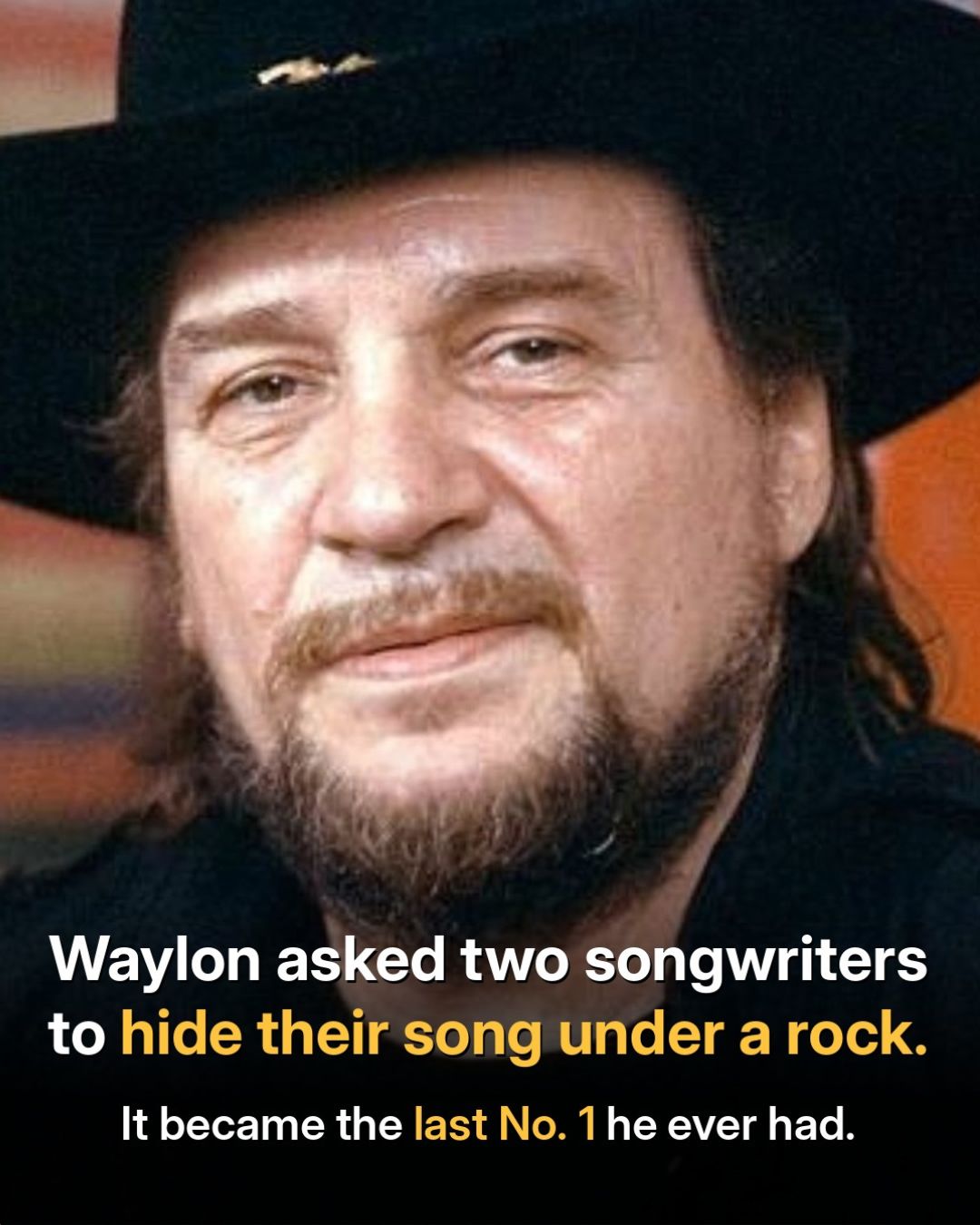
The song was “Rose in Paradise,” and it almost never reached Waylon Jennings at all. Two singers recorded it before him, neither version came out, and when it finally landed in his hands, he wasn’t ready for it. He asked the writers to hold it for him, to put it “under a rock,” until he went back into the studio. They did, he kept his word, and in the spring of 1987 it became the twelfth and final No. 1 country single of his career.
A ghost story from outside Huntsville
The song began in 1982 at CBS Publishing in Nashville, on a day when Jim McBride and Stewart Harris had nothing to write. Instead of forcing it, they started talking.
Jim McBride, who grew up in Huntsville, Alabama, told Stewart Harris about a house outside town where a woman named Rose had lived in the 1800s. According to the story McBride heard, she married five wealthy men, and all five died mysteriously. She was put on trial twice and found innocent both times. Friends of McBride’s who later lived in that house told him there were five nails in the front hallway, said to be where the five husbands hung their hats. After the second trial, Rose moved to Mississippi, and people lost track of her.
Stewart Harris, who came from South Carolina, answered with ghost stories from the Low Country. Somewhere over lunch, the two men decided to stop trading other people’s ghost stories and write one of their own.
The song they wrote after lunch
What they came up with was not a retelling of the Huntsville legend. It was a new story: a beautiful young woman in Georgia, a rich banker from Macon who marries her and keeps her shut away in a mansion on a mountain, and a jealousy that burns behind his quiet manners. Then she vanishes. The song never says whether she ran off with the gardener or never left the grounds at all.
When McBride and Harris played the finished song for their publisher, Judy Harris, she had one question for them: “Where did y’all go to lunch?”
McBride sang the demo himself, at a much slower pace than the record people know today. Randy Howard was the first artist to cut it, but his version was never released. Toy Caldwell of the Marshall Tucker Band recorded it next, and that one never came out either.
Loretta Lynn hears it first
The song was still sitting on the shelf when Don Lanier brought Loretta Lynn by the CBS office to listen to songs. Judy Harris told her plainly that this one wasn’t for her, then played it anyway. Loretta Lynn didn’t want it for herself. She knew exactly who should sing it.
“Oh lord, that would be good for Waylon.” (Loretta Lynn, as Jim McBride recalled it)
“Put that song under a rock”
Don Lanier called Waylon Jennings and played him the song. Waylon liked it, but the timing was wrong. He had just finished a round of recording and expected it would be about a year before he cut anything again. So he sent word back to the writers: if they would put that song under a rock, he would record it the next time he went into the studio.
Anyone who has spent time on Music Row knows how that kind of promise usually ends. Jim McBride said as much when he looked back on it years later.
“You know how many times that happens, and then the song don’t get cut?” (Jim McBride)
The writers held the song. Several months later, Waylon Jennings went back into the studio and recorded it, co-producing with Jimmy Bowen for his MCA album Hangin’ Tough.
His last trip to the top
MCA released “Rose in Paradise” in January 1987 as the first single from Hangin’ Tough. It reached No. 1 on Billboard’s country chart in April 1987 and held the top spot for one week. Waylon Jennings never had another No. 1 country single.
The story in the song got under people’s skin. McBride said disc jockeys from around the country called to ask whether the woman was real. The writers told them they didn’t know what became of her, and joked about the gardener.
Stewart Harris died in 2023, and Jim McBride died in January 2026. Waylon Jennings had been gone since 2002. One last detail belongs to McBride, who admitted he never knew which of the two of them came up with the title. Two years after they wrote it, he noticed something about it for the first time: the initials of “Rose in Paradise” spell R.I.P.