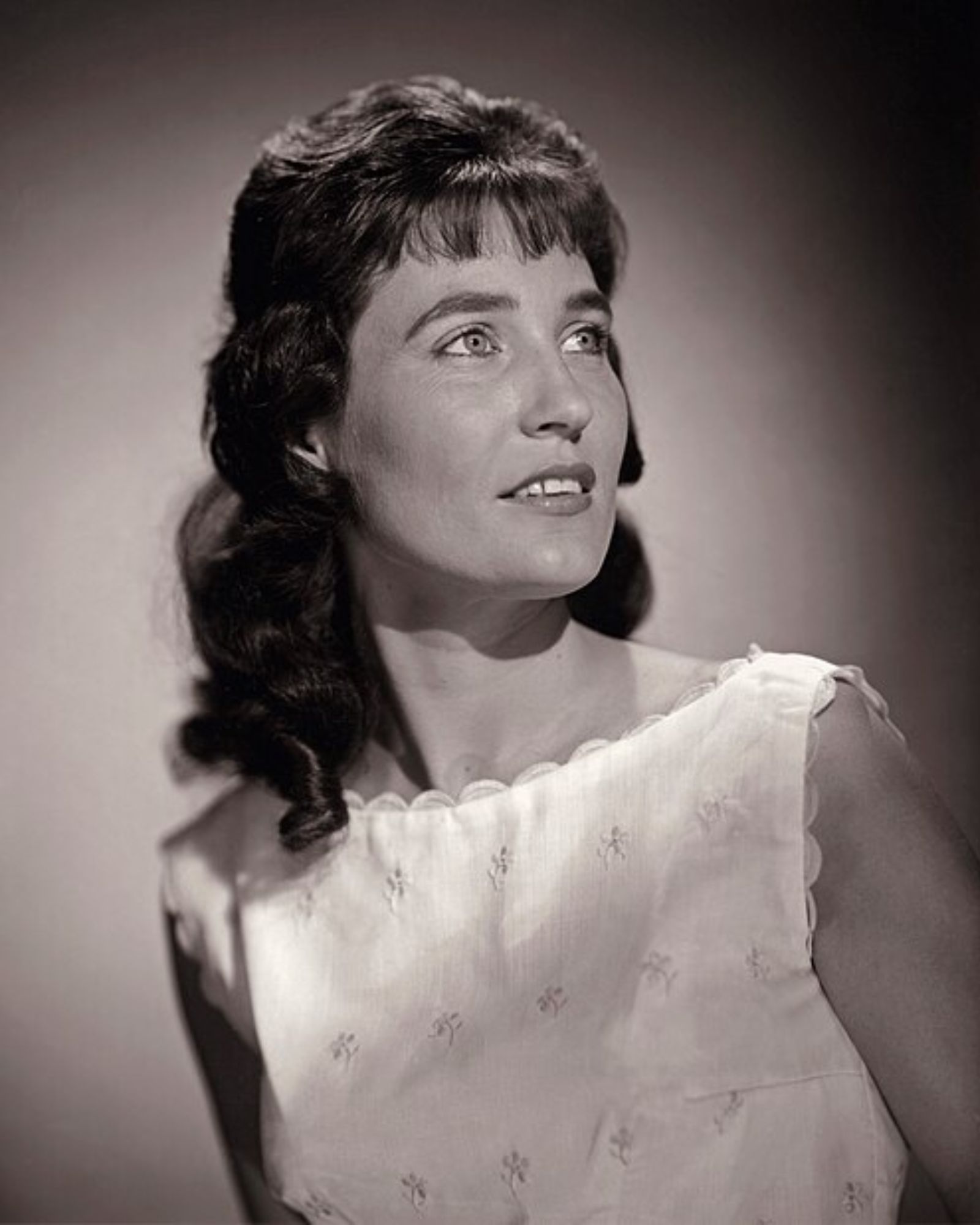
One night in 1975, Loretta Lynn walked onto the Grand Ole Opry stage and sang “The Pill” three times. Roughly a week later, she learned that the Opry had held a three-hour meeting about the song, and that the people in that room had not planned to let her sing it at all. By then it was too late. The audience had already heard it, and so had the rest of the country.
A Song That Sat on a Shelf
Loretta recorded “The Pill” on December 12, 1972, at Bradley’s Barn in Mount Juliet, Tennessee, with Owen Bradley producing and the Jordanaires singing behind her. The song was written by Lorene Allen, Don McHan and T.D. Bayless, and later releases also list Loretta among the writers.
It tells the story of a wife who has spent years pregnant or nursing while her husband runs free. Now she has the pill, and she lets him know things are going to change. It was the same woman, in a way, who had told a husband not to come home drinking and warned another woman away with “Fist City.” This time the subject was her own body.
MCA did not release it. The label held the recording for more than two years, worried that radio and fans were not ready to hear a female country star sing about birth control. That was not an empty fear. The Supreme Court had only extended the right to contraception to unmarried Americans in 1972, the same year she cut the song, and in many of the rural places where Loretta sold the most records, the pill was still hard to get and harder to talk about.
Sixty Stations and a Sermon
“The Pill” finally came out early in 1975, as the only single from the album Back to the Country. The reaction was immediate. People magazine counted at least 60 radio stations that refused to play it. A preacher in West Liberty, in the same eastern Kentucky hills Loretta came from, devoted an entire sermon to denouncing her.
The Associated Press opened its story with a line about the song being too bitter for some to swallow. A country columnist in Alabama wrote that it was poorly written, in poor taste, and that no station would have touched it if an unknown woman had recorded it. The New York Times ran a short item under the headline “Unbuckling the Bible Belt.”
The same AP report noted that the record was selling some 25,000 copies a day.
The Girl From Butcher Hollow
Loretta did not need anyone to explain the song to her. Born Loretta Webb in Johnson County, Kentucky, she married Oliver “Doolittle” Lynn on January 10, 1948. For decades she said she had been 13 on her wedding day. In 2012, the Associated Press found her birth certificate, which gives her birth date as April 14, 1932, and the marriage license, which listed her as 15. Either way, she was a child bride, and she had four children within about five years. Two more, twins, came in 1964, after she was already touring.
She later said she would not trade any of her children for anyone’s. But she was frank that she would not necessarily have had six, and that she would have spaced them better. If the pill had existed for her back then, she told reporters in 1975, she would have taken it like popcorn. She also remembered playing shows right up until the twins were born, carrying her own guitar, and said it nearly killed her.
On stage, she often paired “The Pill” with “One’s on the Way,” her 1971 hit about a worn-out mother with another baby coming. Together the two songs told one woman’s story from both sides.
“Shove the Grand Ole Opry”
Loretta had been an Opry member for more than a decade when the meeting took place. In a 1975 interview with Playgirl, she described singing the song three times that night and only hearing about the meeting afterward. She was clear about what she would have done if they had tried to stop her.
I’d have told them to shove the Grand Ole Opry!
She took the radio bans the same way. To her, every new complaint was free advertising.
Every time they made a fuss it just sold a few more records.
What the Doctors Told Her
The bans did cost her something on the country chart. Most of her singles in those years went top three, and “The Pill” stopped at No. 5. On the pop side it went the other way. It reached No. 70 on the Billboard Hot 100, the highest any of her solo records ever climbed there, and it went to No. 1 on the Canadian country chart. Loretta said that once the song started climbing, the stations had to take it off the banned list.
Some of the warmest response came from rural physicians. She told Playgirl that country doctors had congratulated her, and one said the song had reached more people out in the country than all the government programs put together.
Loretta later said she had around 14 songs banned over her career. “The Pill” is the one people still bring up first. Nearly five decades after its release, it still gets almost no country airplay. In 2022, up to the week she died, it had been played on a country station in the United States only once.