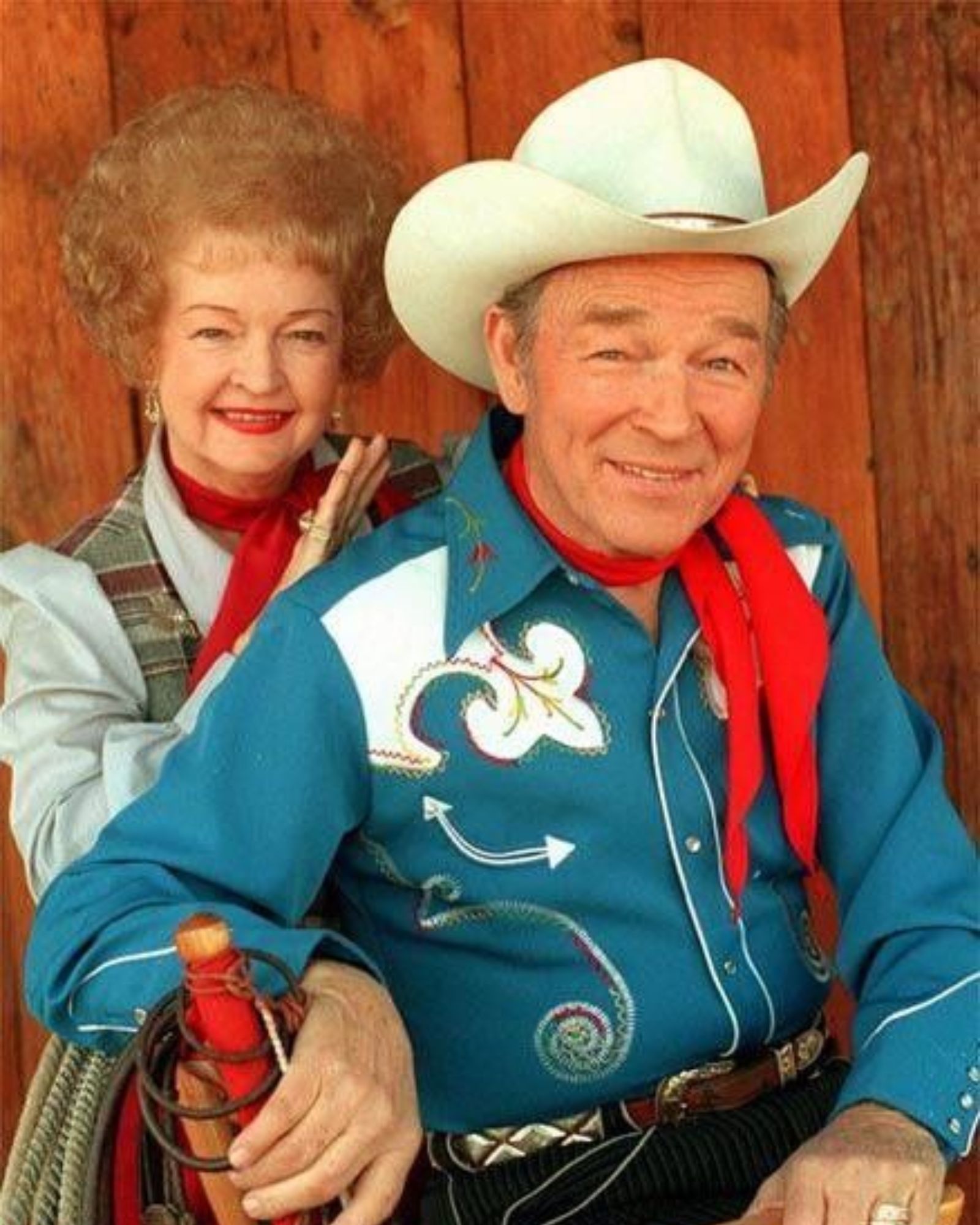
Robin Elizabeth Rogers was born on August 26, 1950, the only child Roy Rogers and Dale Evans would ever have together. They had planned to call her Stormy. Within days the joy turned to worry. Robin had Down syndrome and a heart defect the doctors could not repair, and the advice that followed was the advice many American parents heard in those years: place the child in an institution, for the sake of the rest of the family.
Roy and Dale refused. Years later, Roy’s daughter Cheryl summed up what her parents believed at the time: God had a reason to give them Robin, and they brought her home.
A Quiet Hospital Room
In Angel Unaware, Dale later described how hard it was for the hospital staff simply to tell them. Nurses avoided the subject. When the new parents spoke proudly of their daughter, the room went quiet. Several doctors urged them to send the baby away.
One man did not. The doctor who had attended the birth told them something very different:
Take her home and love her.
He told them love would do more for Robin than any hospital could. Roy’s own answer was just as short. A Cincinnati newspaper later recalled it this way:
No. We are going home.
The King of the Cowboys at Home
The timing could hardly have been more public. In 1950 Roy and Dale were among the best-known entertainers in America. Their Westerns filled Saturday matinees, their voices were on network radio, and The Roy Rogers Show was about to arrive on television in 1951. Roy’s name sold more merchandise than almost anyone in Hollywood except Walt Disney.
Behind that bright Western world, life at home revolved around a fragile little girl. Robin had trouble breathing, and the family moved to Encino to get her away from the smog of the Hollywood Hills. There were doctor visits and a constant fear of ordinary childhood illnesses that her weak heart might not survive.
Robin was not kept in a back room. She lived in the middle of a busy household alongside Cheryl, Linda Lou and little Dusty. In her book, Dale later wrote that Robin had humbled the family and drawn all of them closer to God.
August 1952
In the summer of 1952, Robin caught the mumps. The infection turned into encephalitis, a swelling of the brain, and she died on August 24, 1952, two days before her second birthday.
There was no time to stop. About four weeks later, Roy and Dale were booked to headline the World’s Championship Rodeo at Madison Square Garden, an engagement too large to cancel. They went to New York, and in the middle of that hectic run, Dale began writing about her daughter.
A Small Book Nobody Wanted
What she wrote was unusual. Angel Unaware told Robin’s short life in Robin’s own imagined voice, as a little girl reporting back to God after returning to heaven, describing what she had seen in the Rogers home and how the family had changed around her.
Several publishers turned it down. Fleming H. Revell finally published it in 1953 as a slim book of just 63 pages. Dale gave away every cent of the royalties to the National Association for Retarded Children, then a young parents’ group fighting for recognition.
The book became a bestseller, by some accounts the third-best-selling book in the country that year. Thousands of letters reached Dale from ordinary American families. Dale also wrote a song with the same title, which she recorded years later.
The Children Came Out
The most visible change appeared in the crowds. At the Rogers rodeo appearances in the autumn of 1953, Roy and Dale noticed something new among the cheering children: hundreds of boys and girls with Down syndrome and other disabilities, brought out by parents who had rarely taken them anywhere public before.
For many of those families, it was the first time they had seen another child like their own in a crowd. Some came back year after year.
Angel Unaware did not change the country by itself. Parent groups were already forming, and attitudes were starting to move. But the book showed millions of readers that a child with Down syndrome could be loved openly at the center of a famous family, with no shame and no hiding.
A School in Oklahoma
That same year, a group of Oklahoma parents opened a small school for children with developmental disabilities. Almost no such services existed in the state. The group, then called the Oklahoma County Council for Mentally Retarded Children, named the school for Dale.
Dale visited twice over the following years to encourage the families. By 1975 the first students had grown past school age, and the school began turning into a vocational training and employment center. In recent years the Dale Rogers Training Center has been the oldest and largest program of its kind in Oklahoma, training or employing about 1,100 people a year, more than 900 of them with disabilities. Robin’s christening blanket, her red toy piano and her portrait are displayed in its lobby.
After Robin
Not long after Robin’s death, Roy and Dale went back to the Texas children’s home where Dale had first seen a tiny baby girl. They adopted her, and soon adopted more children. The house that had been built around one fragile child did not stay quiet for long.
Roy and Dale spent their careers playing people who brought others safely home. With Robin, they did something quieter. They refused to send their own child away.