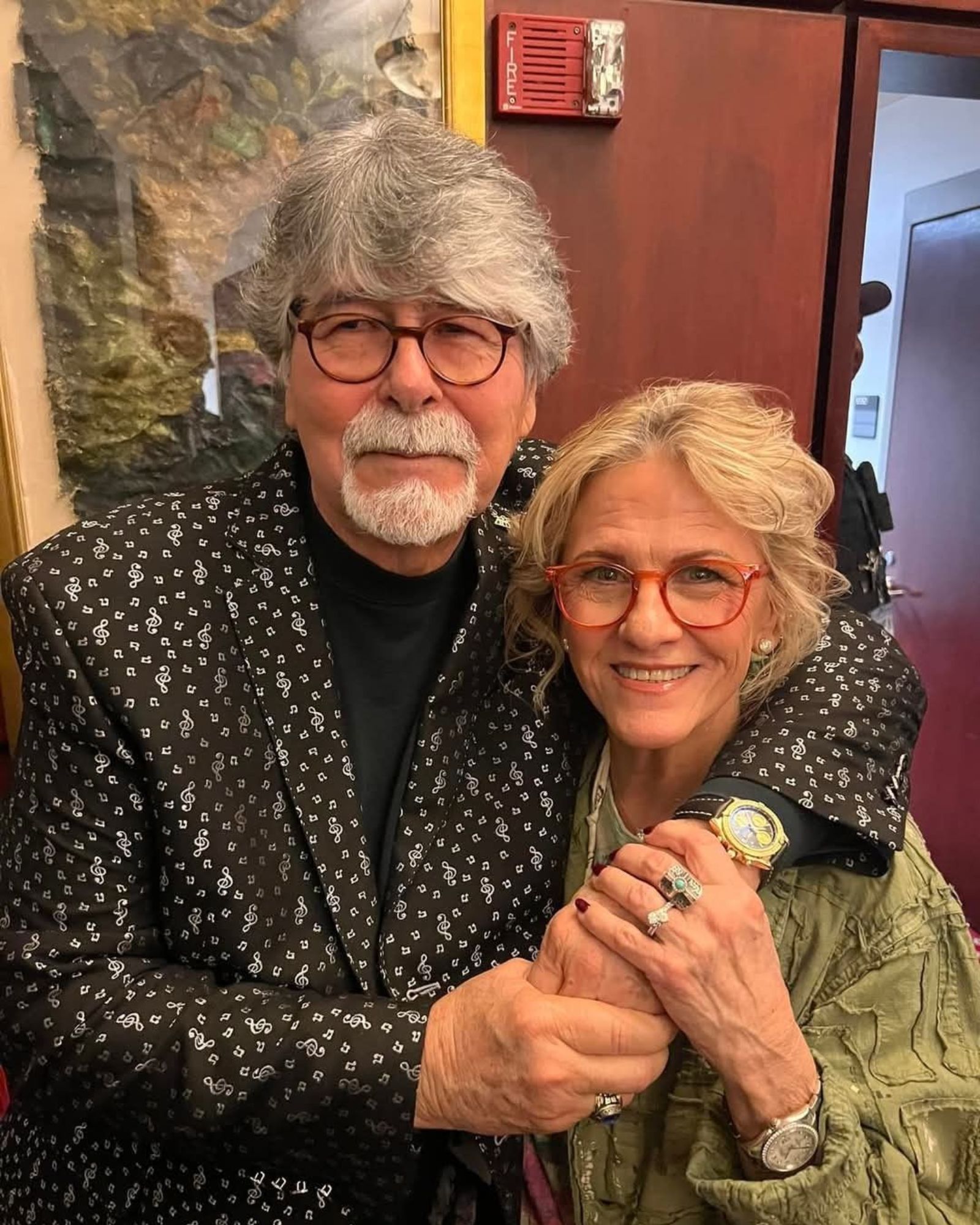
In 1993, Alabama recorded a song that its record label initially didn’t want. The song was called “Angels Among Us,” and the reason Randy Owen fought to record it had little to do with radio airplay or record sales. It had everything to do with a three-year-old girl, a family tragedy, and a name that meant something special.
That little girl was Randy Owen’s daughter, Randa. And according to Randy Owen, something Randa said at home helped change the future of one of Alabama’s most beloved recordings.
The Little Girl Who Called It “Jacey’s Song”
In the early 1990s, the Owen family was grieving the loss of Jacey Colburn, a teenage friend of Randy Owen’s older daughter. Jacey Colburn had also babysat for three-year-old Randa. Tragically, Jacey Colburn had died in a car accident just weeks before Randy Owen received a new song to consider recording.
Randy Owen had been singing the song around the house, learning its words as Alabama prepared another album. One day, Randa asked Randy Owen to sing “Jacey’s song.”
Randy Owen didn’t immediately understand which song Randa meant. When Randy Owen asked, Randa explained that it was the one about angels. To Randa, the song was about Jacey.
Years later, Randy Owen shared the memory with journalist David Carroll. Randy Owen said that the little girl’s words convinced Randy Owen the song needed to be recorded.
It was a remarkable connection. Randa had heard a song about kindness, protection, and people appearing in our lives when they are needed most. Through the experience of losing someone familiar, Randa had given that song a deeply personal meaning.
But the Song Almost Didn’t Make the Album
Alabama was finishing the 1993 album Cheap Seats and needed another song. Randy Owen wanted “Angels Among Us” included, but the suggestion met resistance.
According to Randy Owen’s account, Alabama’s producer and RCA Records were not enthusiastic. Randy Owen and fellow Alabama member Teddy Gentry believed the song deserved a place on the album, even when others questioned the choice.
Randy Owen and Teddy Gentry pushed ahead, and “Angels Among Us” became the closing track on Cheap Seats, released in October 1993.
What the record company had initially doubted would become one of Alabama’s most enduring songs of comfort.
The Frightening Experience That Started the Song
But the story behind “Angels Among Us” began years before Randa first heard it.
On January 25, 1986, songwriter Becky Hobbs was traveling with band members after a performance in Albertville, Alabama. During the journey back toward Nashville, a frightening encounter with an 18-wheel truck led to a collision at an intersection.
Becky Hobbs and the others survived. The experience remained with Becky Hobbs, who later recalled feeling that the people in the van had been extraordinarily fortunate.
The title “Angels Among Us” stayed in Becky Hobbs’s mind for years, but a finished song did not immediately follow.
Near the end of 1992, Becky Hobbs returned to the idea and worked with fellow songwriter Don Goodman. Don Goodman had a personal connection to the subject as well. Don Goodman’s teenage son Jeremy had survived a car accident in which two friends had died.
Becky Hobbs and Don Goodman brought those experiences to the songwriting process, completing a composition about the people whose kindness and presence can make an enormous difference during life’s hardest moments.
Becky Hobbs had one particular singer in mind for the finished song: Randy Owen.
From a Family Memory to a Song That Comforted Thousands
After Alabama released “Angels Among Us,” the song found a meaningful place beyond country radio. It became associated with St. Jude Children’s Research Hospital, where Randy Owen had a longstanding commitment to helping children and families.
Songwriter Don Goodman later recalled watching Randy Owen perform the song for families at St. Jude. For people facing uncertainty, loss, or difficult days, the message carried a significance that no chart position could measure.
Looking back, Randy Owen expressed gratitude for having listened to Randa. A little girl had connected the song to someone the Owen family knew and loved, and that connection helped Randy Owen recognize why the recording mattered.
There is something especially moving about knowing that “Angels Among Us” survived initial rejection because two Alabama musicians believed in it, and because a three-year-old child had heard something personal in its words.
More than three decades after its release, listeners still turn to “Angels Among Us” when remembering loved ones, honoring acts of kindness, or searching for a little comfort.
And behind that familiar Alabama recording remains the memory of a small child asking her father to sing a song about Jacey.