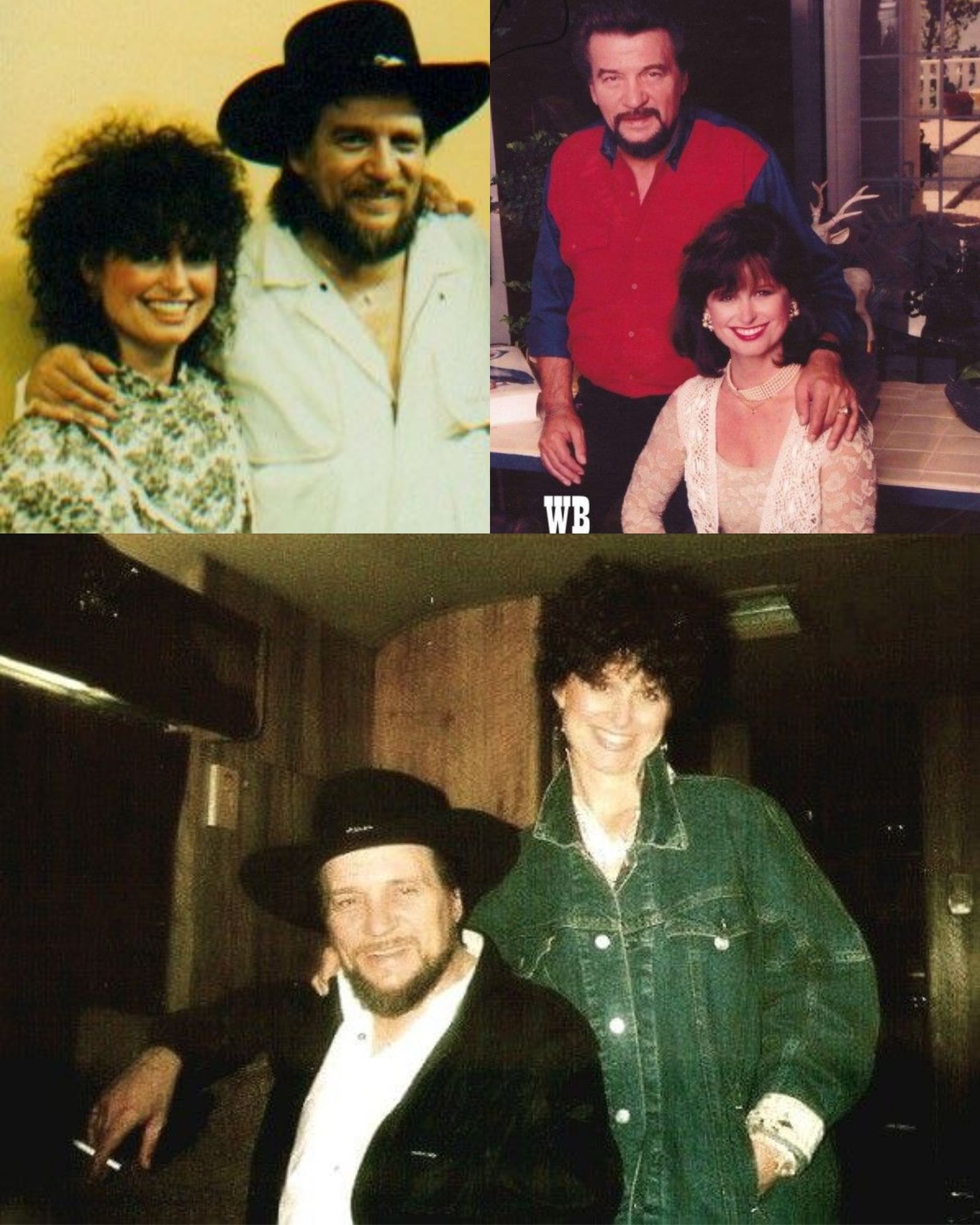
On Thanksgiving Day 2001, Waylon Jennings was in a hospital bed, worn down by years of diabetes and two surgeries in seven months. His wife, Jessi Colter, was sitting with him. He was the one who broke the silence.
Looks like you want to say something to me, darlin’.
What followed, as Jessi later told it in a 2017 feature for Guideposts magazine, was the quietest and most important conversation of their marriage. Waylon had less than three months to live.
A body that had run out of road
By 2001, the man who had outlasted the Outlaw years, a cocaine habit, a 1977 federal drug bust and heart surgery was losing a slower fight. Diabetes had damaged the circulation in his legs. He underwent surgery in April 2001 and again that November, trying to save them.
He and Jessi had sold their Nashville home and moved to Chandler, Arizona, close to where she grew up. Walking had become hard, and in July 2001 he attended Chet Atkins’ funeral in a wheelchair. Because the pain in his legs meant he could no longer drive, Jessi drove him out to their favorite places in the desert.
That same year he was elected to the Country Music Hall of Fame. His health kept him away from the induction.
Jessi later described a man weighed down by regret, who felt the pain he had caused others and could not forgive himself for it.
The question she had carried
Jessi Colter, born Mirriam Johnson, grew up in a home built around faith. Her mother was a charismatic evangelist who ran her own church near Phoenix, and by age 11 Jessi was the church pianist. By the time she met Waylon at JD’s nightclub in Arizona in the 1960s, she had walked away from all of it.
She came back to her faith during the hardest years of their marriage, and she prayed for her husband through the drugs and the long nights. When he quit cocaine cold turkey in a rented desert house in March 1984, she was there. There was one question she had wanted to ask him for many years, and on Thanksgiving 2001 she felt the time had come.
Thanksgiving Day, 2001
Waylon always knew when something was on her mind, and that day was no different. He told her to go ahead and say it.
She asked him if he was ready to accept the Lord. Waylon said he had known she was going to ask. To him, it came down to one thing: whether he was ready to be God’s man. Then he asked her what he needed to say.
She told him plainly: that he accepted Jesus, that he loved Him as He loved him, and that he turned his life over to Him. Waylon said the words. Jessi wept.
Then he took her hand and told her he loved her. He had said it more times than either of them could count, she wrote, but never in a tone so vulnerable and gentle.
Jessi later summed up his life in three stages. He beat drugs in the desert. He survived on the operating table. And on that Thanksgiving, he finally understood that he was loved. Afterward, she noticed a new kind of confidence in him, nothing like the swagger of an outlaw star, more like a quiet certainty.
The last weeks
On December 19, 2001, doctors at a Phoenix hospital amputated Waylon’s left foot after a diabetes-related infection set in. Jessi remembered the Christmas that followed as joyful, with the family gathered and singing hymns. He came home on January 7, 2002.
On February 13, 2002, Waylon Jennings died peacefully in his sleep at home in Chandler. He was 64. He was buried in the Mesa City Cemetery.
Kris Kristofferson, his partner in the Highwaymen, summed him up in the Associated Press obituary.
An American archetype, the bad guy with a big heart.
Fifteen years later, Jessi opened her memoir An Outlaw and a Lady by counting their marriage as thirty-three years and calling them the best of her life.