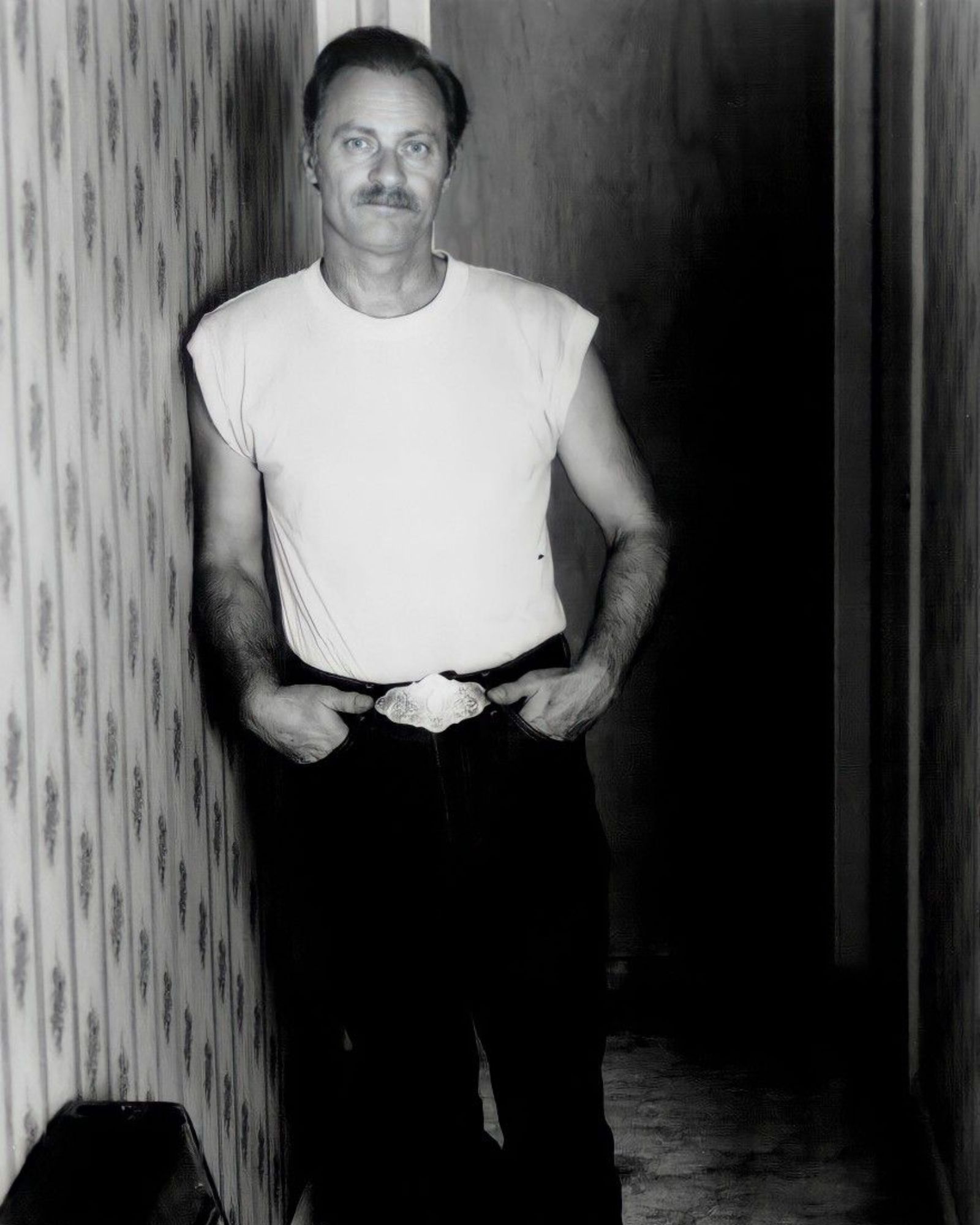
Vern Gosdin had spent years singing about heartbreak, but one afternoon in the late 1980s, the country music star came home from the road and discovered something no song could have prepared Vern Gosdin for. After eleven years of marriage, Vern Gosdin’s second wife had left. The surprising part was how Vern Gosdin found out.
There was no face-to-face goodbye. No long conversation explaining what had happened. Instead, the truth came during an ordinary telephone call that Vern Gosdin thought was about arranging a trip home.
The Phone Call That Changed Everything
Vern Gosdin had just returned from a stretch of touring. Vern Gosdin’s wife was in Atlanta visiting her mother, so Vern Gosdin called to ask about her plans. Should Vern Gosdin drive to Atlanta? Would they meet halfway? Or would she fly home?
Her answer was completely unexpected. She told Vern Gosdin that she no longer lived there.
Confused, Vern Gosdin tried to understand what she meant. Then came a simple instruction: “Go check the closets.”
Vern Gosdin went to look. Every closet was empty. Her clothes and belongings were gone. The marriage had ended, and Vern Gosdin was discovering the truth only after returning home.
Years later, in an interview with journalist Bob Allen published in the March–April 1990 issue of Country Music magazine, Vern Gosdin remembered the experience with a mixture of disbelief and dark humor.
Vern Gosdin admitted to becoming so upset that Vern Gosdin kicked the refrigerator and nearly broke a foot. But what happened after that moment of anger became far more important to the music.
When Heartbreak Became Songwriting
Once Vern Gosdin calmed down, the singer sat down and began writing songs. It was not a publicity idea or a carefully planned recording project. Vern Gosdin simply needed somewhere to put the feelings left behind by the marriage.
In the 1990 interview, Vern Gosdin explained that writing provided relief. Instead of having to recount the painful divorce to other people, Vern Gosdin could express those experiences through music.
That period of songwriting helped shape the 1989 Columbia Records album Alone, one of the most personal projects of Vern Gosdin’s career.
Unlike an ordinary collection of country songs about lost love, Alone was closely connected to a real marriage falling apart. The sadness, anger, confusion, and eventual acceptance were not simply characters in somebody else’s story. They reflected experiences Vern Gosdin had recently lived through.
Yet there was another remarkable detail behind the album’s biggest hit.
The Song Vern Gosdin Wrote With His Son
Among the songs on Alone was “I’m Still Crazy,” written by Vern Gosdin, Vern Gosdin’s son Steve Gosdin, and songwriter Buddy Cannon.
The song was released as a single in May 1989. On September 2, 1989, “I’m Still Crazy” reached No. 1 on Billboard’s country singles chart, remaining at the top for one week.
It became the third and final No. 1 country hit of Vern Gosdin’s career.
The connection to Steve Gosdin makes the record especially interesting. At a time when Vern Gosdin’s personal life had been shaken by the end of a marriage, a song written with family became the biggest chart success from the album.
There is an important distinction in the story: Vern Gosdin did not claim that “I’m Still Crazy” was completed on the afternoon the empty closets were discovered. What Vern Gosdin did explain was that the divorce inspired the songwriting behind Alone. That makes the connection meaningful without needing to invent a dramatic moment of composition.
Why This Story Still Matters
Country music has always made room for heartbreak, but Vern Gosdin brought something unusually personal to these recordings. The events behind Alone were not distant memories or imagined tragedies. Vern Gosdin was working through a painful chapter while turning it into songs that listeners could recognize in their own lives.
And that is what makes those empty closets such a memorable part of country music history.
One afternoon, Vern Gosdin returned home expecting to discuss travel arrangements with a wife of eleven years. Instead, Vern Gosdin discovered the marriage was over. The experience helped inspire an album whose most successful single would become the last No. 1 hit of Vern Gosdin’s career.
For listeners who remember “I’m Still Crazy,” knowing the history behind Alone gives the song an entirely different weight. Behind the familiar voice was a man who had learned, in the hardest possible way, that the heartbreak in a country song could suddenly become part of everyday life.