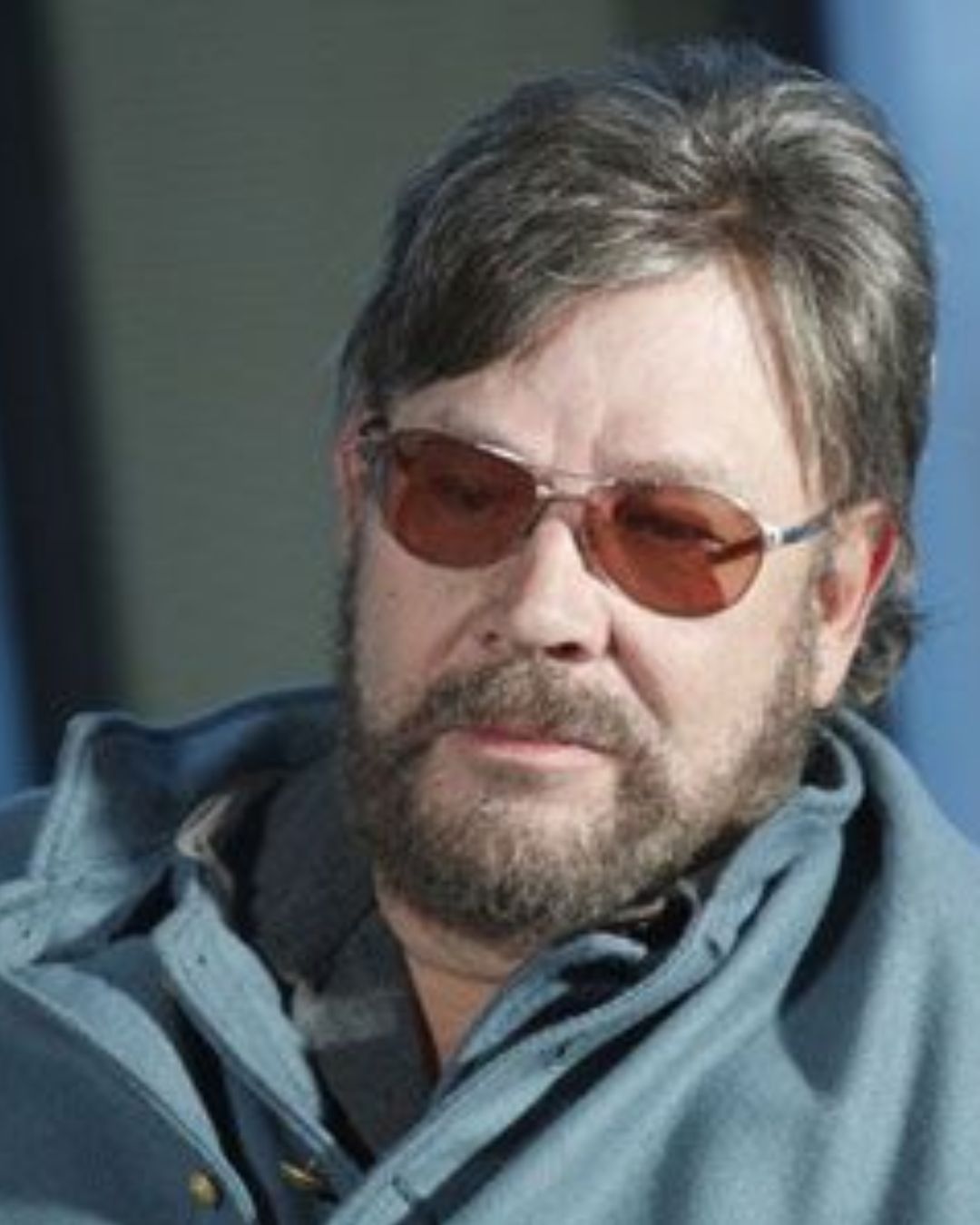
By the late 1960s, Hank Williams Jr. was a teenager with his own name at the top of the bill. One of the acts opening those shows was a lanky Texan named Waylon Jennings. And when the music stopped and the buses rolled out, Audrey Williams allowed her son to ride with only one of them. Waylon told the story himself, nearly three decades later, in his 1996 autobiography Waylon.
“She didn’t trust him with anyone but me. She let him ride on my bus.” — Waylon Jennings
Waylon put Hank Jr. at about eighteen at the time. Born in May 1949, that would place it around 1967 or 1968, when Waylon himself was about 30.
A Mother Who Had Already Lost a Husband to the Road
Audrey Williams had good reason to hold on tight. On January 1, 1953, Hank Williams was found dead in the back seat of his Cadillac while being driven to a New Year’s show. He was 29. Their son, nicknamed Bocephus by his father, was only three.
Audrey steered the boy straight into his father’s footsteps. Hank Jr. played his first concert at just eight years old with her touring revue, the Audrey Williams Musical Caravan of Stars. At fourteen, he landed his first charting single with a cover of his daddy’s “Long Gone Lonesome Blues.” Years later he admitted the expectations were narrow: the people around him, he told Rolling Stone, “really didn’t want me to do anything but Hank Williams [Sr.] music,” and that music was keeping the family fed.
So the same road that killed his father was now the family business, and Audrey kept her son close.
The Opening Act She Trusted
The choice is striking because of who else was on those shows. Waylon remembered working the openings alongside “Merles like Haggard and Kilgore.” Merle Haggard was already scoring hits of his own. Yet Audrey picked Waylon’s bus.
Waylon wrote that Hank Jr. had always been like a little brother to him, and that even back then he felt a sense of responsibility for the young man.
Not Quite the Chaperone She Pictured
Waylon was also honest that he was no saint. According to his own account, Audrey made it clear she did not want her son getting mixed up with women on the road. Waylon, by his own telling, did not hold the line on that one. It is the kind of detail that makes the story more believable, not less: Audrey trusted him, he felt responsible, and he was still Waylon Jennings.
When the Road Nearly Took Him Anyway
On August 8, 1975, Hank Williams Jr. fell close to 500 feet while climbing Ajax Mountain in Montana. He suffered multiple skull and facial fractures and went through a long series of reconstructive surgeries. He later said he never knew whether he would sing again, or even talk again.
Johnny Cash and June Carter Cash were the first faces he saw when he woke in the hospital. Looking back on that time with Rolling Stone, Hank Jr. put Waylon in the same company, saying that “having people like Waylon, Johnny and June around really helped me.”
Three months after the fall, Audrey Williams died. The mother who had once trusted only Waylon with her son was gone just as Hank Jr. was fighting his way back.
The New South
In 1977, Hank Jr. released The New South, produced by Waylon Jennings and his longtime drummer Richie Albright. Waylon played guitar on the record and sang harmony behind him, including on the opening track, “Feelin’ Better,” a song Hank Jr. wrote himself. A 1978 review in The Harvard Crimson credited Waylon with a leaner, Austin-style sound, away from the slick Nashville strings of Hank Jr.’s earlier records.
Decades later, Rolling Stone described “Feelin’ Better” as a kind of declaration of independence from expectations. The friend singing harmony on it was the same man Audrey Williams had once trusted to look after her son on a tour bus.
Watasha and Bocephus
The two wrote “The Conversation” together with Richie Albright, a song in which they talk through the legend and the truth of Hank Williams. It first appeared on Hank Jr.’s 1979 album Whiskey Bent and Hell Bound, then became a Top 20 hit in 1983 as a duet on Waylon’s Waylon and Company. On the record, Waylon calls him Bocephus. Hank Jr. calls Waylon “Watasha,” a nickname Waylon said meant “old number one.”
Years later, Waylon summed up the part he believed he had played:
“He’s his own man, and I think I helped him come to terms with that.” — Waylon Jennings
When Waylon died in February 2002, Hank Jr. had already written him a song. He wrote “Eyes of Waylon” on the first leg of an airplane trip, and when he boarded his connecting flight, he ran into Waylon and Jessi Colter.