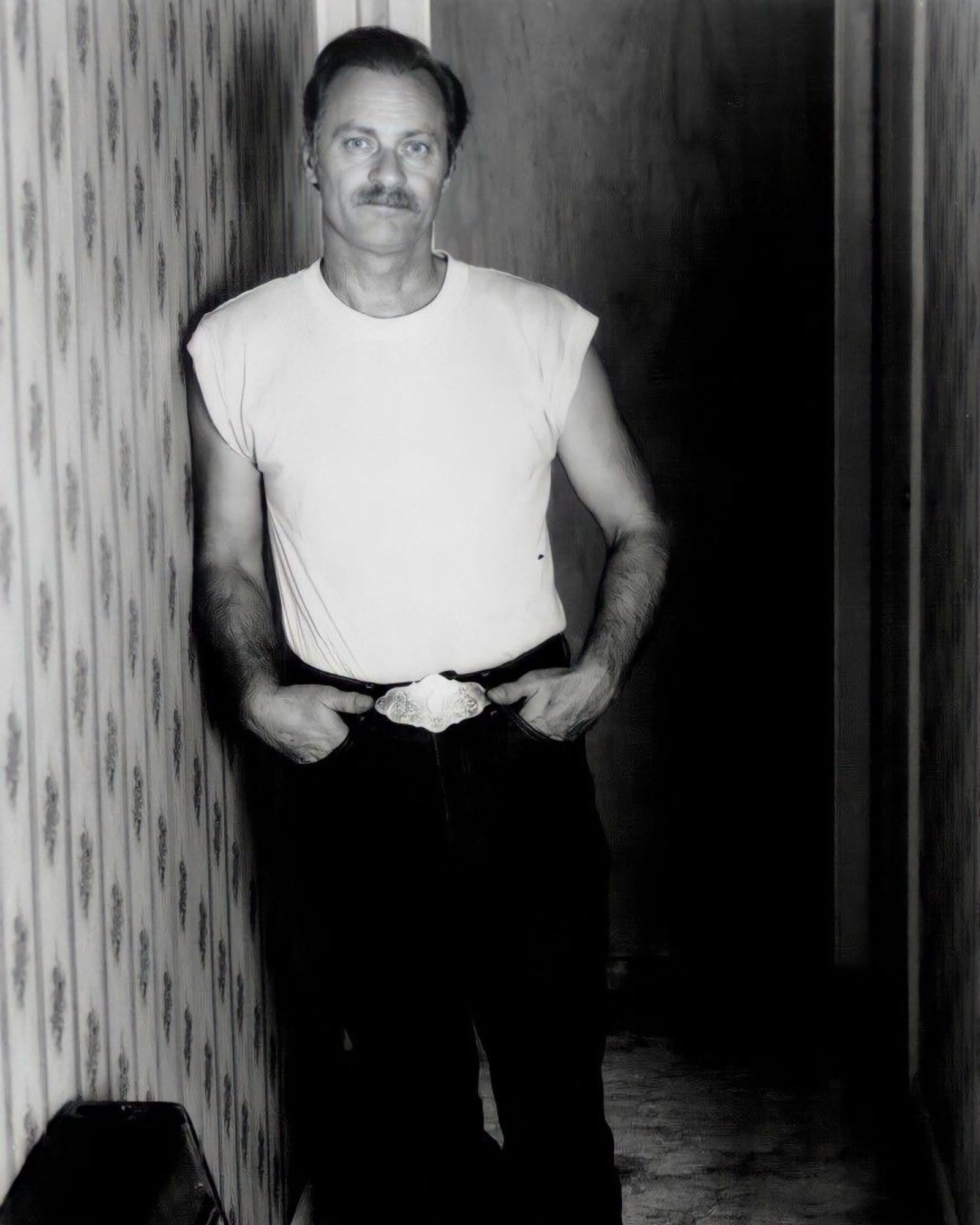
The song is “Chiseled in Stone.” When Vern Gosdin died in Nashville on April 28, 2009, the Associated Press named it in the very first sentence of his obituary, ahead of every No. 1 he ever had. The grief inside that song, though, did not begin with Vern. It began with his co-writer, Max D. Barnes, and a son Barnes lost at 18.
The Night the Barnes Family Changed
In 1975, Max D. Barnes and his wife, Patsy, lost their teenage son in a car accident. His younger brother, Max T. Barnes, knew him as Butch. Decades later, Max T. told American Songwriter he still remembered one moment above the rest:
“I remember the night my dad woke me and told me about my brother.”
Max D. Barnes had come to Nashville only two years earlier, in 1973, after a working life his son described as trucker, carpenter, biker and tuna boat fisherman. He was still years away from his first No. 1 as a writer, which came when Conway Twitty recorded “Don’t Take It Away” in 1979.
A Headstone and a Single Idea
When Barnes died in 2004, Billboard’s obituary reported that seeing his son’s tombstone was what inspired the song’s central line: that a person never truly understands loneliness until a name has been carved in stone. An Australian country journalist who had interviewed Vern Gosdin told the story the same way in his own tribute to Barnes, writing that Barnes was looking at the headstone when the phrase came to him, then went home and wrote the start of the song.
Barnes took the idea to the singer he wrote with more than anyone else. According to Max T., his father and Vern Gosdin were writing together constantly, and Vern recorded nearly everything they finished, roughly 50 songs by his estimate. Vern, he said, was always at the Barnes house working toward the next album.
Why the Song Never Names Him
Anyone listening for Butch’s story in the lyric won’t find it spelled out. The song is set in a bar. A man fed up with trouble at home meets an older man who tells him to go home and be grateful someone is waiting, then explains the kind of loneliness that only comes after a gravestone. Max T. has said the story in the song is not specific to his brother. What his father carried into it was the feeling, a grief he could return to whenever a song needed it.
That may be why it works. It never asks anyone to pity the writer. It simply puts a man who has already lost everything across the table from one who hasn’t yet.
Outranked on Its Own Album
Columbia released “Chiseled in Stone” on August 27, 1988, as the title track of Vern Gosdin’s comeback album. It peaked at No. 6 on Billboard’s Hot Country Singles chart and No. 3 in Canada. On the same record, “Set ‘Em Up Joe,” Vern’s tribute to Ernest Tubb, went all the way to No. 1, and “Who You Gonna Blame It On This Time” climbed to No. 2.
By the numbers, the title track was the third-biggest single on its own album. Then, in 1989, the Country Music Association named it Song of the Year. Barnes and Gosdin also earned a Grammy nomination for Best Country Song. For Max D. Barnes, it was the first of two CMA Song of the Year awards. The second came in 1992 for Vince Gill’s “Look at Us.”
The Song That Outlived Both Men
Max D. Barnes died on January 11, 2004, at 67. Billboard’s tribute to him told the story of the tombstone once more.
Five years later, Vern Gosdin was gone too, three weeks after a stroke. He was buried at Mount Olivet Cemetery in Nashville. The bigger hits were all there in the news reports that followed. But the song mentioned first was the No. 6 record that started at a teenage boy’s grave.
Where were you the first time you heard Vern sing it?