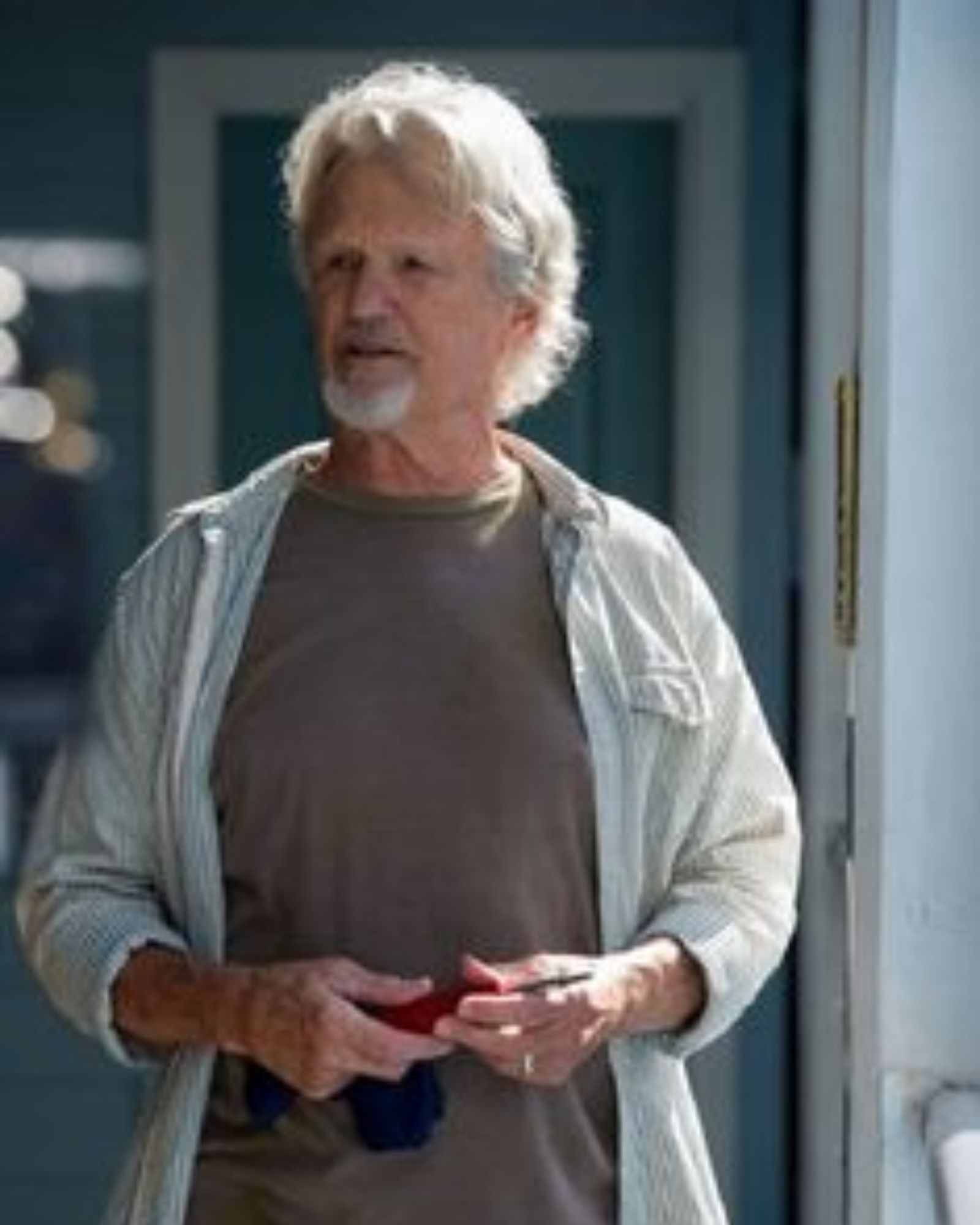
In 1969, a phone call from Nashville producer Fred Foster gave Kris Kristofferson an idea that would eventually become one of the most beloved songs in American music. The song was Me and Bobby McGee, but its original title was slightly different. And behind that difference was a real woman whose name millions of listeners would come to recognize without ever knowing who she was.
The story began with a Nashville secretary, a producer’s unusual suggestion, and a songwriter who initially thought the whole idea was terrible.
The Woman Who Was Really Named Bobbie McKee
Barbara “Bobbie” McKee worked as a secretary for Nashville songwriter Boudleaux Bryant, whose building also housed Fred Foster’s music business. Fred Foster frequently visited Boudleaux Bryant’s office, and those visits eventually became a running joke between the two men.
According to Fred Foster’s account, Boudleaux Bryant once teased Fred Foster about visiting so often because of Bobbie McKee. The joke gave Fred Foster an idea for a song title: Me and Bobbie McKee.
Instead of writing the song personally, Fred Foster contacted Kris Kristofferson, a promising songwriter who was still struggling to establish a career in Nashville.
Fred Foster explained the proposed twist: Bobby was actually a woman.
Kris Kristofferson later admitted in an interview with NPR that the idea initially sounded like one of the worst song concepts Kris Kristofferson had ever heard. Nevertheless, Kris Kristofferson agreed to attempt the assignment.
There was just one small problem. During the telephone conversation, Kris Kristofferson understood the name as “McGee” rather than “McKee.”
That misunderstanding became part of music history.
How a Real Name Became a Fictional Love Story
For months, Kris Kristofferson worked on the assignment without producing a finished song for Fred Foster. The songwriter was not accustomed to writing material simply because someone had supplied a title.
Eventually, Kris Kristofferson transformed the suggestion into something much more personal: a story about two travelers sharing the road, finding companionship, and eventually separating.
The characters were fictional. Barbara McKee was not the woman Kris Kristofferson had loved and lost, and the song was not a secret confession about an actual relationship with the Nashville secretary.
Another influence came from an unexpected place: Italian filmmaker Federico Fellini’s La Strada.
Kris Kristofferson later explained that the film’s story of a traveling couple, separation, and devastating regret helped shape the emotional direction of Me and Bobby McGee.
The song became more than a simple romance. It explored a difficult contradiction: personal freedom could feel wonderful, yet the freedom to walk away might also mean losing someone who mattered.
Kris Kristofferson eventually recorded a demonstration with musician Billy Swan, and the song began finding an audience.
The Day Bobbie Finally Heard Her Song
Barbara McKee, later known as Barbara Eden, remembered a particularly unusual visit to the office.
Fred Foster arrived with Kris Kristofferson and introduced the songwriter to the woman whose name had inspired the title.
Kris Kristofferson then performed the song for Barbara McKee.
In a 2016 interview with the Associated Press, Barbara Eden recalled enjoying the performance immensely. It was the first meeting between Barbara McKee and Kris Kristofferson, and the finished song had turned an ordinary office nickname into something neither could have anticipated.
For Barbara McKee, the experience did not end there. Once the song began receiving radio airplay, hearing that familiar name coming through the speakers became an unexpected pleasure.
From Roger Miller to Janis Joplin
Roger Miller became the first artist to record Me and Bobby McGee in 1969, taking the song into the country charts. Kris Kristofferson released a recording on the debut album Kristofferson in 1970.
But the song’s greatest commercial breakthrough came through Janis Joplin.
Janis Joplin recorded a powerful interpretation in 1970, changing Bobby into a male character. Released after Janis Joplin’s death, the recording reached No. 1 on the Billboard Hot 100 in 1971.
Kris Kristofferson later recalled hearing Janis Joplin’s recording for the first time shortly after the singer’s death. The experience was so emotional that Kris Kristofferson walked through Los Angeles in tears.
That recording gave Me and Bobby McGee a place in popular music far beyond its original Nashville beginnings.
A Small Misunderstanding That Became Music History
What makes the origin of Me and Bobby McGee remarkable is how ordinary its beginnings were.
There was no mysterious lost lover named Bobby McGee. No dramatic farewell inspired the title. There was a Nashville secretary named Bobbie McKee, a producer who noticed an interesting name, and a songwriter who heard one word differently over the telephone.
From that modest beginning, Kris Kristofferson created a song about freedom, companionship, and the price of letting go.
Millions would remember Bobby McGee as a character traveling down an American highway. But the name that started everything belonged to a real woman working in a Nashville office.
And without that phone call, country music might never have known Bobby McGee at all.