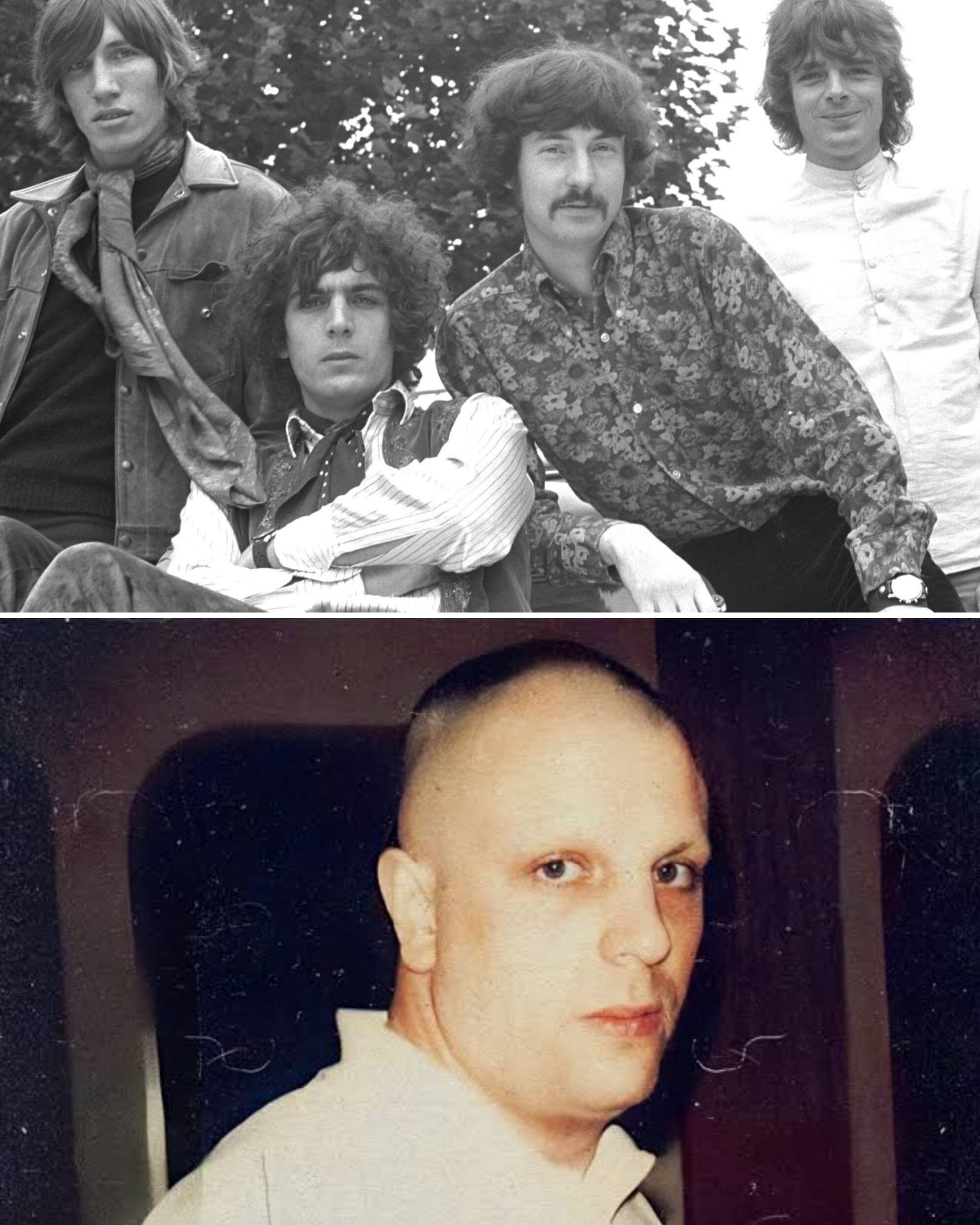
On June 5, 1975, Syd Barrett arrived unannounced at Abbey Road while Pink Floyd were working on “Shine On You Crazy Diamond,” their tribute to the former bandmate who had helped give the group its identity. At first, they did not recognize him.
Barrett had gained weight and shaved his head and eyebrows. The difference from the young musician they remembered was striking. Richard Wright later recalled seeing the visitor and assuming he was a friend of Roger Waters. Recognition did not come immediately.
In Wright’s recollection, Barrett eventually asked when he should add his guitar part. The band explained that the guitars were already finished. It is a small exchange, remembered years afterward, but it makes the encounter more personal than the familiar account of an unexpected visitor.
A Familiar Studio, an Unexpected Reunion
Barrett had left Pink Floyd in 1968. Before that separation, he had suggested the band’s name, written its early singles and supplied most of the songs on its debut album. Waters knew him from childhood; David Gilmour had known him as a teenager. Their shared history extended well beyond recording sessions.
Wright’s account captures how confusing the visit was. He remembered initially treating Barrett as someone who belonged to another person in the room. Waters, recalling the encounter separately, described being in tears. These are retrospective memories, rather than a transcript of the session, but both describe the shock of seeing their former bandmate again.
The Tribute Was Already Underway
The song had begun taking shape before Barrett’s arrival. Pink Floyd’s official album history traces its development to a four-note guitar phrase Gilmour discovered, with Barrett still very much on the members’ minds. His visit occurred during work on the recording; it did not inspire a song written afterward.
When the album appeared that September, the tribute was divided into two sections. The first opened the record, and the second closed it. Between those two appearances lay the rest of Wish You Were Here. The former bandmate who had unexpectedly returned to Abbey Road was the subject of the music at both ends of the album.