Scroll to the end of the article to hear the song.
Fort Worth, Texas, 1969. In a room at the Fort Worther Motel, cards were being dealt, cigarettes were burning low, and two country singers who were not yet legends were passing the night the way musicians on the road often did. At the table sat a young woman named Connie Koepke, a pen in her hand. Between hands, the two men kept tossing out lines of a song, and Connie kept writing them down.
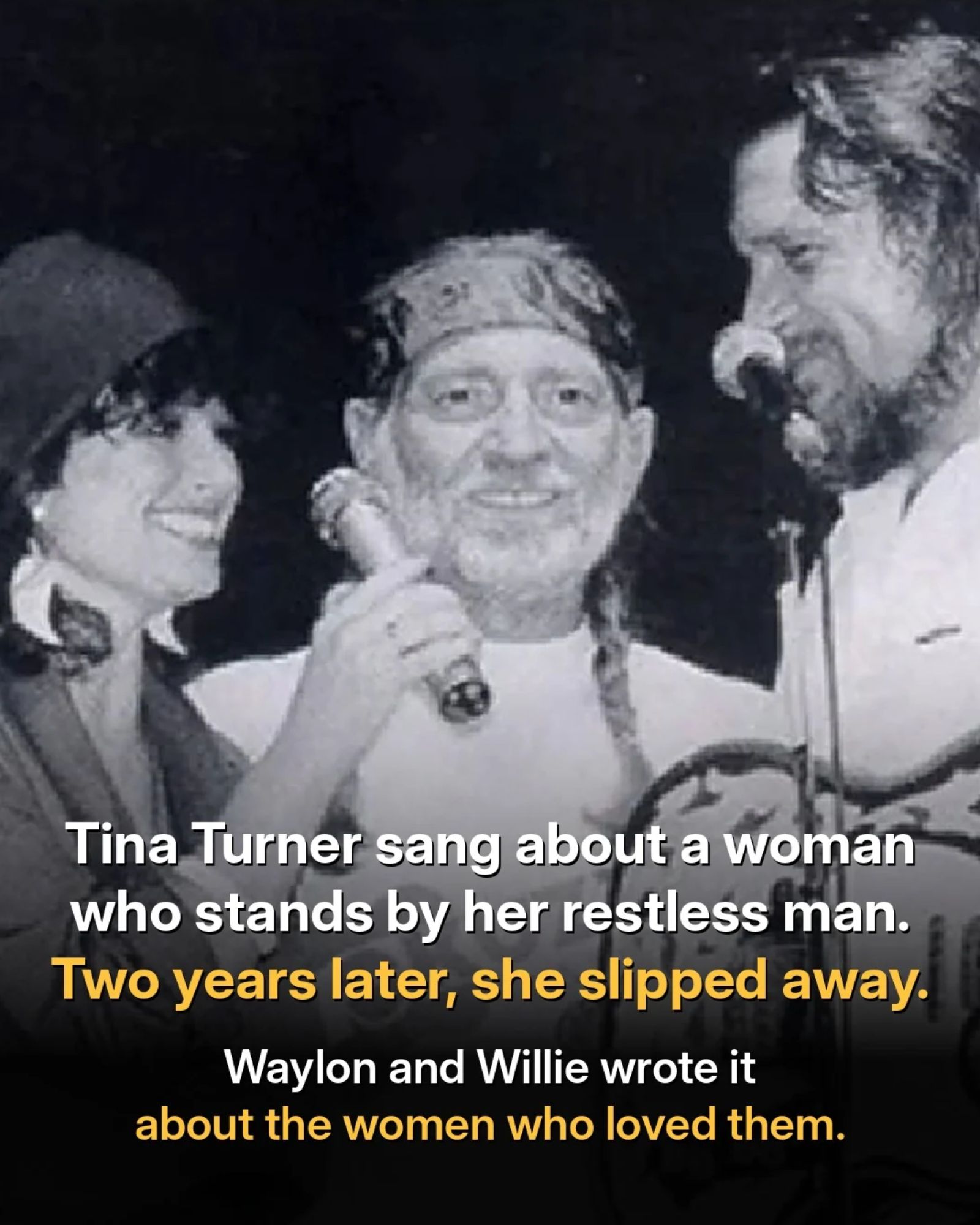
The two men were Waylon Jennings and Willie Nelson. The song they were building, one round at a time, would become “Good Hearted Woman,” one of the best-loved records in country music history. And the person holding the pen was one of the people it was written about.
An Idea Torn From a Newspaper
It started with Waylon Jennings and a newspaper. Staying at the motel, he came across an advertisement for Ike and Tina Turner. The ad promoted Tina Turner as a singer of songs about devoted women standing by men who lived for a good time. Waylon Jennings later remembered his reaction simply: “What a great country song title that is!”
He did not sit on it. He went to find Willie Nelson, who was in the middle of a poker game. Waylon Jennings pitched the idea, pulled up a chair, and the two of them started trading lines while the game kept going. Connie Koepke, who was Willie Nelson’s girlfriend at the time and would become his wife in 1971, wrote the lyrics down as they came.
The Real People Behind the Song
On the surface, the title came from Tina Turner. But the heart of the song came from much closer to home. Years later, Willie Nelson explained who the two men were really thinking about that night.
“I think Connie and Jessi both were the object of that song.”
Jessi Colter was the singer and songwriter who married Waylon Jennings in October 1969. Willie Nelson said that as they wrote, they naturally started thinking about the ones who had to put up with them. Both men were living hard, touring constantly, and far from easy to love. The song became a portrait of the people who loved them anyway.
The story it tells is simple and familiar. It follows someone whose dreams have slipped away along the road, whose life has not turned out the way it was promised. Still, she stays. She does not dwell on the hard nights or the mistakes. She talks only about the good times they have shared and the good times still to come, and the two of them walk through the world together, through tears and laughter alike.
From a Motel Room to Number One
Waylon Jennings recorded “Good Hearted Woman” in September 1971 and released it that December as the title track of his 1972 album. It climbed to No. 3 on the Billboard country chart.
The song’s biggest moment came a few years later. A live recording by Waylon Jennings was reworked with Willie Nelson’s voice added, and it appeared on Wanted! The Outlaws in 1976. The duet went to No. 1 on the country chart, crossed over to the Billboard Hot 100, and was named Single of the Year at the 1976 Country Music Association Awards. It was the first of three country No. 1 hits for Waylon Jennings and Willie Nelson as a duo.
And the people in the song? Jessi Colter stayed beside Waylon Jennings through his darkest years and remained his wife until his death in 2002. Willie Nelson and Connie Koepke were married from 1971 to 1988.
The Twist Nobody Saw Coming
There is one more chapter, and it belongs to the woman whose newspaper ad started it all.
In 1974, Tina Turner recorded “Good Hearted Woman” herself, during sessions at Bolic Sound in Inglewood, California, a studio built by her husband, Ike Turner. The recording stayed on the shelf until 1979.
By then, her life had changed completely. In July 1976, Tina Turner walked out of a Dallas hotel while Ike Turner slept, leaving behind her marriage and starting over with almost nothing. That hotel was only a short drive from the Fort Worth motel where Waylon Jennings and Willie Nelson had turned an ad about her into a song.
A Song That Kept Its Secret
Millions of people have sung along to “Good Hearted Woman” without knowing that it began at a poker table, or that one of the people it describes was sitting right there, writing down every word. Sometimes the one holding the pen is the one the song is about.
Who in your life deserves a song like this?