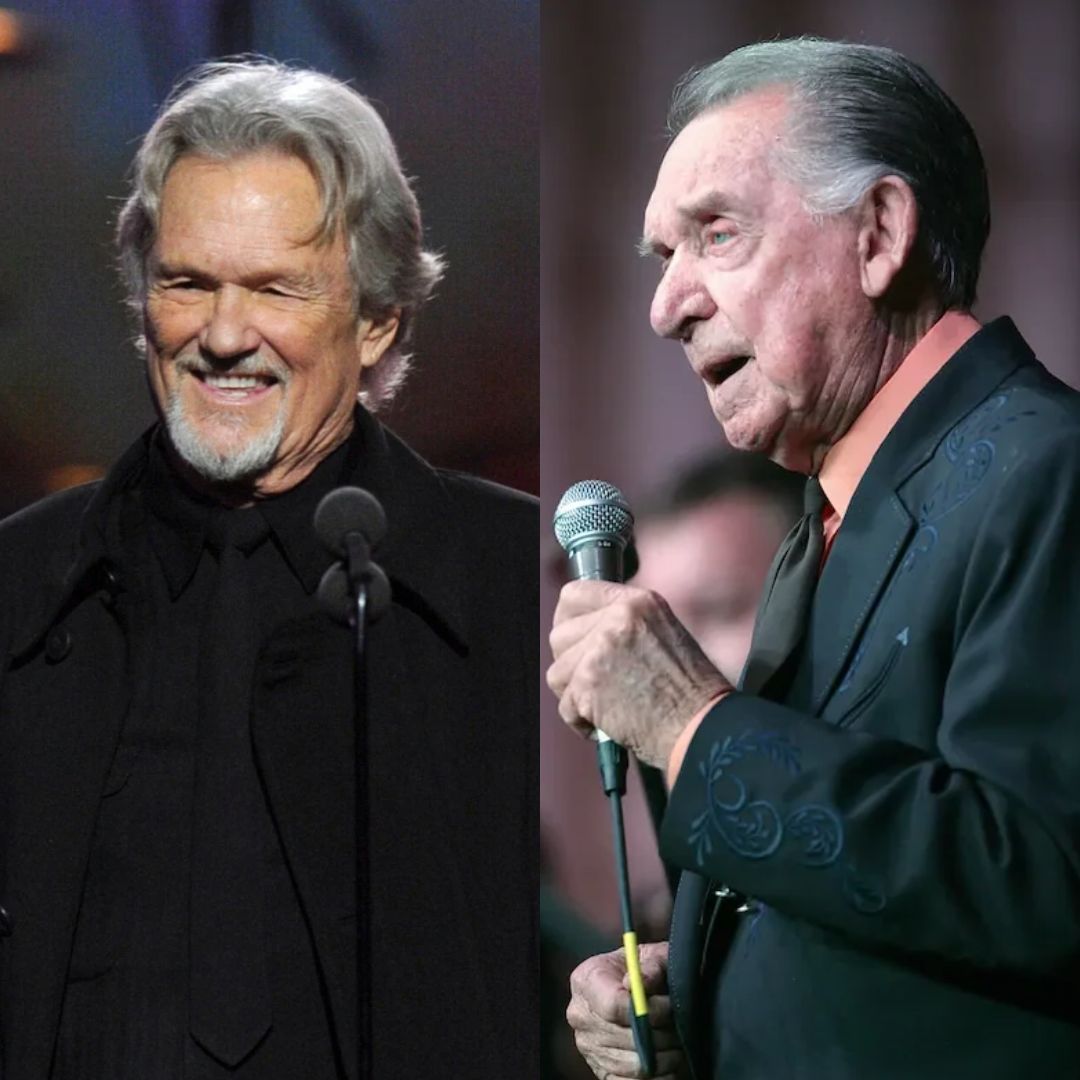
When Ray Price recorded “For the Good Times” on March 16, 1970, nearly eleven years had passed since the singer’s last No. 1 country single. Written by Kris Kristofferson, the song would become one of the defining recordings of Ray Price’s later career.
Ray Price was still making hits. Several singles during the 1960s had reached No. 2. Yet the recording that finally returned Ray Price to the top initially received less attention from the record label than the song on the other side.
The Other Side of the Single
“For the Good Times” grew out of a relationship that had ended. Kris Kristofferson confirmed that personal origin in a 2007 CMT interview. The song asks for one last tender evening together, without pretending that the relationship can be repaired.
Bill Nash had already recorded the composition in 1968. Ray Price’s version arrived two years later, but Columbia initially promoted “Grazin’ in Greener Pastures,” the other side of the single. According to Rolling Stone’s account, Ray Price believed the Kristofferson song had greater potential. After Wayne Newton recorded the composition, Columbia shifted its promotional attention to “For the Good Times.”
That history gives the familiar recording a less predictable beginning. The song that became a Ray Price signature had first shared a single with another selection receiving the label’s push.
A Voice Above the Strings
The orchestral arrangement continued a direction Ray Price had explored before this session. Known for the driving shuffle of earlier country records, Ray Price had moved toward fuller, more pop-oriented productions during the 1960s.
The Country Music Hall of Fame notes that the orchestral “Danny Boy” in 1967 alienated some honky-tonk fans while attracting new admirers. By 1970, Ray Price was bringing that experience to a song whose emotional weight rested on accepting an ending.
Listen to the performance and the restraint becomes part of its appeal. The strings give the recording breadth, while the vocal keeps the farewell conversational. The narrator asks for closeness without offering a convincing promise of tomorrow. That tension remains clear beneath the polished arrangement.
Kris Kristofferson Gave the Singer Credit
By September 1970, “For the Good Times” had reached No. 1 on Billboard’s country chart. The recording also reached No. 11 on the pop chart, extending its audience beyond country radio.
Asked years later about the song’s effect on Ray Price’s career, Kris Kristofferson emphasized the respect Ray Price already commanded among serious musicians and songwriters. Kris Kristofferson mentioned Willie Nelson’s admiration and recalled the high regard of musicians such as Jimmy Day.
The answer brought the story back to the performance rather than the chart position. A songwriter whose work had supplied the words was quick to recognize what another artist had contributed.
“I felt more like he had made it a hit than the song had,” Kris Kristofferson told CMT.