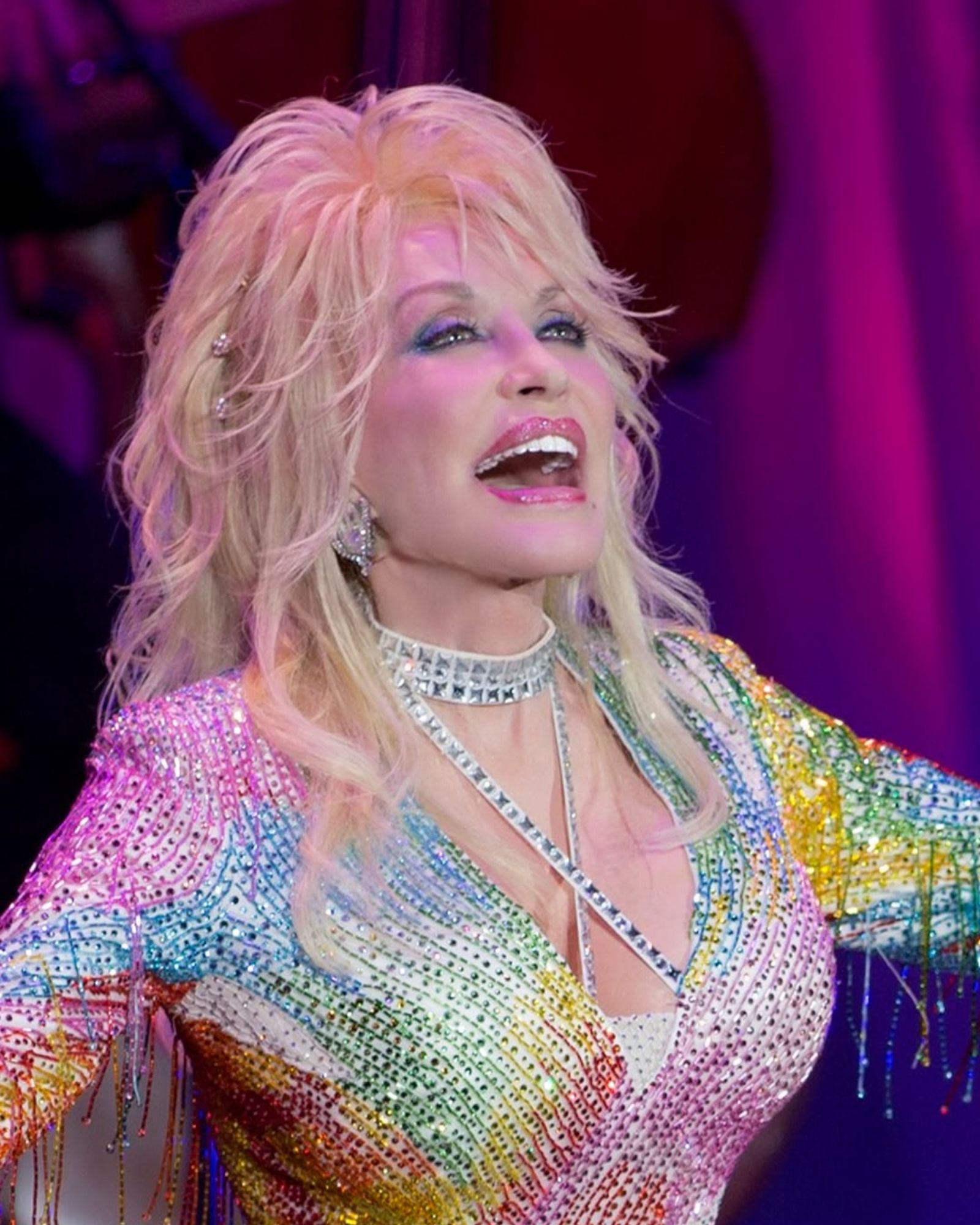
For more than half a century, two songs from the same Dolly Parton album had been loved by generations of country music fans. Both had reached No. 1 on the country charts. Both had become unforgettable parts of American music.
But neither original recording had ever reached the Top 40 of Billboard’s all-genre Hot 100.
That changed in the days following Dolly Parton’s death on August 25, 2026, at the age of 80.
On the Billboard Hot 100 dated September 5, 2026, “Jolene” climbed to No. 16, while the original 1974 recording of “I Will Always Love You” entered at No. 27.
It was an extraordinary milestone for two songs that had already spent 52 years becoming country music classics. And behind those numbers were two very different stories from a remarkable chapter of Dolly Parton’s life.
Two Songs, Two Remarkable Beginnings
In the early 1970s, Dolly Parton was building a career that would eventually reach far beyond Nashville. After years working alongside Porter Wagoner, Dolly Parton was becoming an increasingly successful songwriter and solo performer.
One of the most memorable songs from that period was “Jolene,” first released as a single in October 1973.
The story behind the song was surprisingly personal.
Dolly Parton later explained that the name came from a young redheaded girl who approached Dolly Parton for an autograph. The girl’s unusual name stayed in Dolly Parton’s memory.
The song’s romantic tension came from another experience. Dolly Parton recalled a bank teller who had developed a crush on Dolly Parton’s husband, Carl Dean. What became a running joke in the marriage helped inspire one of country music’s most recognizable songs.
“Jolene” reached No. 1 on Billboard’s country chart in 1974, but its original run on the Hot 100 stopped at No. 60.
Meanwhile, another song was taking shape under very different circumstances.
The Goodbye That Porter Wagoner Never Expected
After seven years on The Porter Wagoner Show, Dolly Parton wanted to establish an independent career. Porter Wagoner had helped introduce Dolly Parton to a national television audience, but the professional relationship had become increasingly difficult.
Dolly Parton later recalled struggling to explain the decision to leave. Ordinary conversations had failed to resolve the disagreement.
So Dolly Parton turned to songwriting.
The result was “I Will Always Love You,” a song expressing gratitude, affection, and the difficult necessity of saying goodbye.
According to Dolly Parton’s own recollection, Porter Wagoner began crying when Dolly Parton performed the song privately. Porter Wagoner recognized its beauty and agreed to produce the recording.
It was not originally written as a conventional romantic farewell. It was a deeply personal goodbye between two people whose working relationship had changed both careers.
Released in 1974, “I Will Always Love You” became another No. 1 country hit for Dolly Parton.
Yet the original recording never entered the Billboard Hot 100 during that era.
Dolly Parton later recorded another version for the 1982 film The Best Little Whorehouse in Texas, reaching No. 53 on the Hot 100. Whitney Houston subsequently brought the song worldwide success in 1992.
Through all those years, the quiet country recording from 1974 remained an essential part of Dolly Parton’s musical legacy.
Five Songs Returned After Dolly Parton’s Death
Following the announcement of Dolly Parton’s passing, listeners returned to recordings spanning decades of country and popular music.
Five Dolly Parton classics appeared on the September 5, 2026, Hot 100:
“Jolene” — No. 16
“9 to 5” — No. 18
“Islands in the Stream” with Kenny Rogers — No. 26
“I Will Always Love You” — No. 27
“Here You Come Again” — No. 44
For “Jolene,” the return meant a new Hot 100 peak after more than five decades. For the original “I Will Always Love You,” it meant appearing on that chart for the first time.
The achievement was especially striking because the chart measured a new generation of listening activity around recordings made long before digital streaming existed.
A Different Kind of Farewell
There is something especially meaningful about the two songs reaching this milestone together.
“Jolene” grew from a story about uncertainty in love. “I Will Always Love You” grew from Dolly Parton’s determination to leave a professional partnership without forgetting the gratitude behind it.
Both appeared on the 1974 album Jolene, and both continued finding listeners across generations.
Dolly Parton never witnessed the September 2026 chart milestone. But the achievement offered another reminder that the songs written during one extraordinary period of Dolly Parton’s career still mattered more than 50 years later.
For countless listeners, those recordings were never simply old country songs. They were familiar voices from earlier chapters of life, waiting to be heard again.