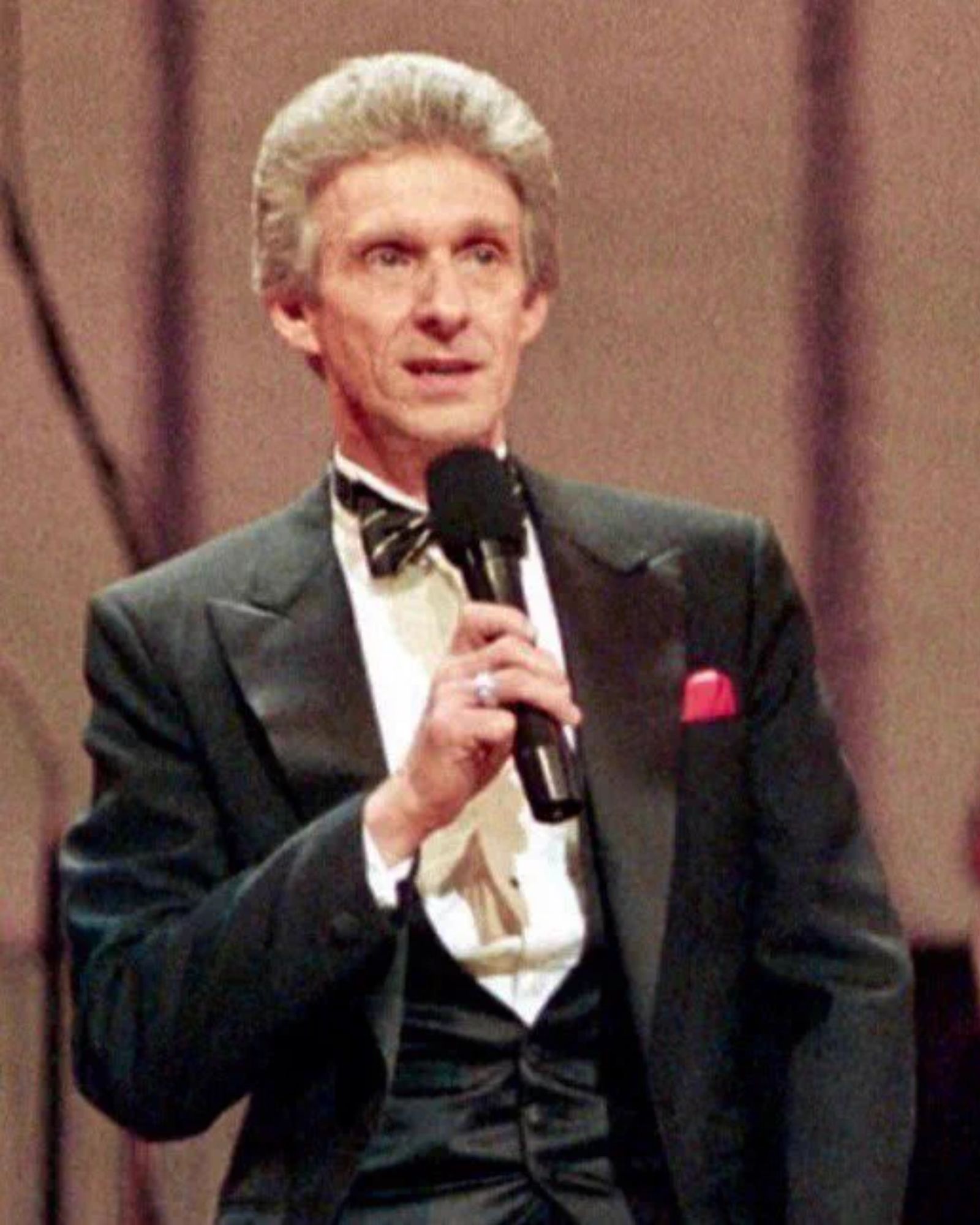
They called Phil Balsley “The Quiet One.” But a newspaper published in August 1985 revealed something many fans may never have realized: Phil Balsley was doing much more than singing baritone for The Statler Brothers.
For years, audiences knew Phil Balsley as the reserved member of one of country music’s most beloved vocal groups. Harold Reid supplied the humor. Don Reid handled much of the talking and sang lead. Lew DeWitt, and later Jimmy Fortune, provided the distinctive tenor voice.
Phil Balsley rarely commanded the same attention. Yet the baritone part was essential to the quartet’s familiar harmony, and Phil Balsley carried another responsibility that audiences could not hear.
Behind the music, Phil Balsley helped keep track of the group’s business and administrative affairs.
Before the Spotlight, There Was a Bookkeeping Job
Long before The Statler Brothers became country music stars, Phil Balsley worked as a bookkeeper at his father’s sheet-metal business in Staunton, Virginia.
It was ordinary work, far removed from recording studios, national television, and concert tours. But bookkeeping required attention to details, records, and responsibilities that could not simply be ignored.
Phil Balsley eventually became part of a remarkable musical success story that began with gospel singing in Virginia.
The group’s roots reached back to the Four Star Quartet in the 1950s. By 1964, The Statler Brothers had joined Johnny Cash’s touring show. Their breakthrough recording, “Flowers on the Wall,” followed in 1965.
Over the years, the group grew into a successful touring and recording act while continuing to operate from its hometown of Staunton.
And as the crowds became larger, the work involved in running the group became more complicated.
The Newspaper That Explained “The Quiet One”
In August 1985, The Statler Brothers were scheduled to perform at Michigan’s Berrien County Youth Fair, with two grandstand appearances planned for August 16.
A newspaper supplement published before the event introduced the group to local readers. Alongside information about their music, the article explained the responsibilities of each member.
Harold Reid was associated with the group’s stage humor, clothing, album-cover designs, and bookings. Don Reid was identified as a songwriter and spokesman who handled publicity interviews. Jimmy Fortune contributed songwriting and reviewed material submitted by music publishers.
Then came the description of Phil Balsley.
The article called Phil Balsley “The Quiet One” because Phil Balsley was “constantly keeping track of the Statlers’ business and administrative affairs.”
That small detail tells us something important about the way The Statler Brothers operated.
Phil Balsley’s contribution was not limited to the minutes spent singing in front of an audience. There were practical responsibilities behind the concerts and recordings, and the group’s own division of labor placed Phil Balsley close to that work.
The 1985 appearance also demonstrated the group’s drawing power. A subsequent newspaper report recorded a single-day attendance of 35,248 visitors at the fair that Friday, with a fair official crediting The Statler Brothers for helping attract the crowd.
Four Voices, One Recognizable Sound
The Statler Brothers built their musical identity around the four-part harmony tradition of Southern gospel.
Don Reid sang lead, Harold Reid supplied the deep bass, and Lew DeWitt originally sang tenor before Jimmy Fortune joined permanently in 1982. Phil Balsley occupied the baritone position.
In an interview featured by PBS, Don Reid explained how the group carried its gospel harmony background into country music. That connection helped distinguish The Statler Brothers from other country acts.
Listen to recordings such as “The Class of ’57,” “I’ll Go to My Grave Loving You,” or “Do You Know You Are My Sunshine,” and the importance of the complete vocal arrangement becomes apparent.
The baritone was not necessarily the part an occasional listener followed first. But it belonged to the carefully arranged blend that longtime fans recognized immediately.
When the Touring Finally Ended
The Statler Brothers retired from concert touring in 2002 after decades of performing together. In 2008, the group entered the Country Music Hall of Fame, recognizing a career that had helped bring traditional quartet singing to generations of country listeners.
Phil Balsley remained far less publicly outspoken than some of the group’s other members, consistent with the familiar nickname.
But that 1985 newspaper profile offers a particularly valuable reminder of Phil Balsley’s contribution.
For audiences, Phil Balsley was the man singing baritone beside Harold Reid, Don Reid, and Jimmy Fortune. Behind the scenes, Phil Balsley was also attending to responsibilities that helped support the group’s professional operations.
“The Quiet One” was more than a nickname describing how little Phil Balsley spoke. It was attached to a man whose work extended well beyond the microphone.
And for anyone who still enjoys the unmistakable harmonies of The Statler Brothers, that is another part of Phil Balsley’s story worth remembering.