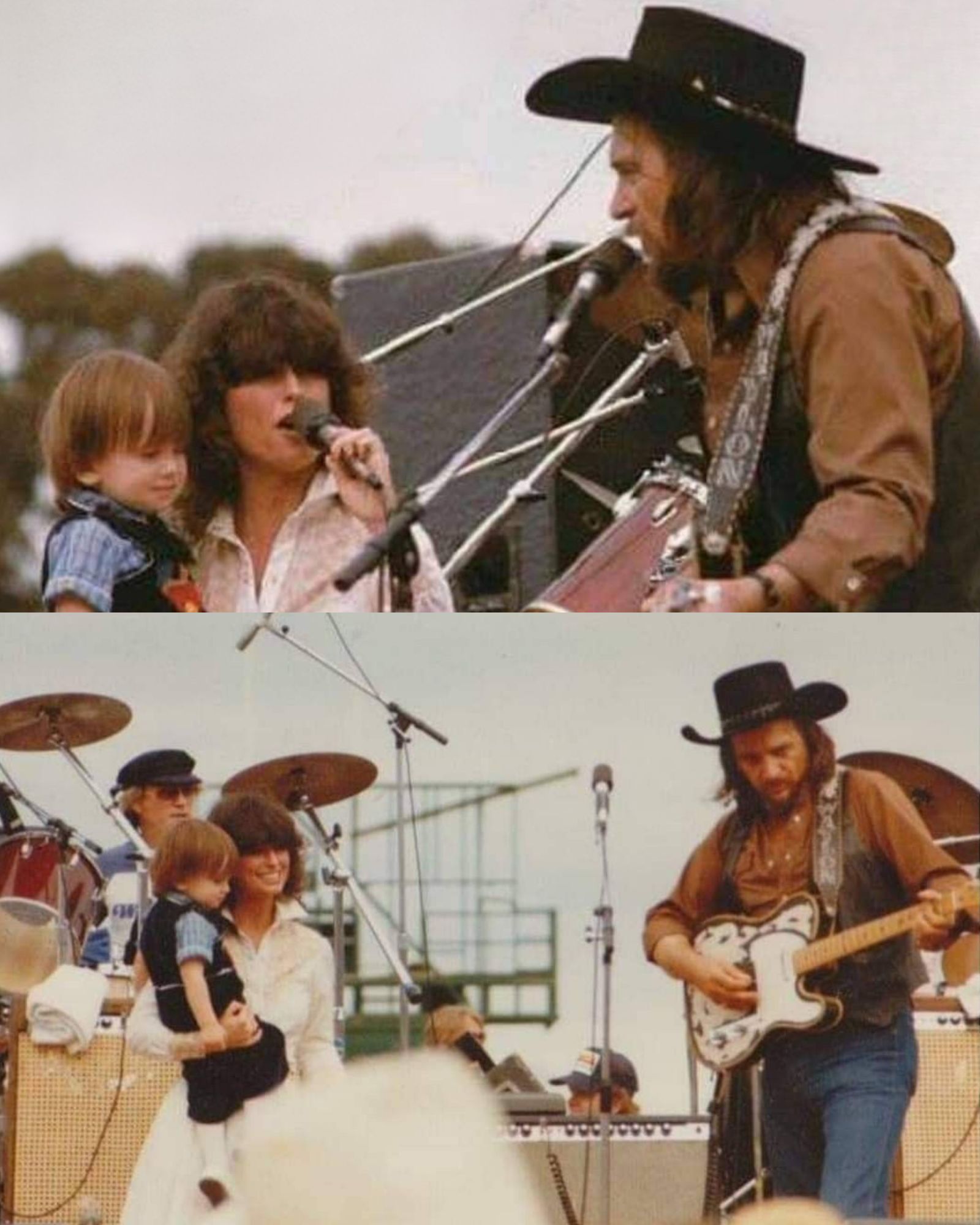
In March 1984, Waylon Jennings told Jessi Colter something no wife wants to hear. Waylon Jennings was going to stop using drugs for 30 days, get back on his feet, and then return to the same habits that had nearly destroyed everything.
At 46, Waylon Jennings had spent more than two decades struggling with addiction. The black hat, deep voice, and rebellious reputation had made Waylon Jennings one of country music’s most recognizable figures. But away from the stage, the consequences were becoming impossible to ignore.
Jessi Colter had been married to Waylon Jennings since 1969. A successful singer and songwriter in her own right, Jessi Colter had built a career that included the 1975 country hit I’m Not Lisa. Yet the hardest part of the marriage had nothing to do with music.
Years later, Jessi Colter admitted that the addiction had nearly driven Jessi Colter to leave. Watching someone you love gradually lose control of life was more difficult than the public could have imagined.
The House in the Arizona Desert
In March 1984, Waylon Jennings and Jessi Colter rented a house in the Arizona desert. Concert commitments were canceled, and the family traveled there by tour bus.
Waylon Jennings had decided to stop using drugs without entering a treatment facility. But quitting permanently was not part of the original plan.
In a remarkable interview published by SPIN in January 1988, Waylon Jennings admitted that the intention was simply to stay away from drugs for one month before returning to them.
The early days were difficult. Waylon Jennings experienced physical discomfort and disrupted sleep. Sometimes Waylon Jennings woke during the night and spent time alone outside the house.
As the days passed, however, Waylon Jennings began thinking more clearly. And the things that became impossible to ignore were not lost money, missed performances, or damaged fame.
They were Jessi Colter and their young son, Shooter Jennings.
What Waylon Jennings Saw in His Family
Waylon Jennings later explained that the expression on Jessi Colter’s face had made a lasting impression. Jessi Colter had spent years watching the struggle without being able to make the decision for Waylon Jennings.
There was also Shooter Jennings, then approximately four or five years old.
In the SPIN interview, Waylon Jennings remembered how Shooter Jennings would seek attention, only for Waylon Jennings to struggle to remain focused for more than a moment.
The realization brought a different fear: missing the chance to watch Shooter Jennings grow up.
Waylon Jennings expressed that realization in seven simple words:
“I want to see him grow up.”
That became a turning point. The original 30-day plan no longer seemed acceptable.
Waylon Jennings began to understand that addiction was affecting more than one life.
The Last Drugs and a Different Future
In a February 1988 interview with The Washington Post, Waylon Jennings recalled another striking moment from the effort to quit.
Waylon Jennings said that Jessi Colter was handed the remaining supply of drugs, estimated by Waylon Jennings to be worth approximately $10,000. Jessi Colter flushed it down the toilet while Waylon Jennings watched.
For a musician who had spent years struggling to escape addiction, that was a significant memory.
By 1987, Waylon Jennings was sharing stories of past mistakes through the autobiographical album A Man Called Hoss. Performances became opportunities to reflect on experiences that Waylon Jennings had once kept largely private.
Jessi Colter later confirmed that Waylon Jennings remained free of drugs for the rest of Waylon Jennings’s life. Jessi Colter also cautioned that the difficult, self-directed approach in Arizona should not be treated as a model for other people.
When Waylon Jennings died on February 13, 2002, the marriage to Jessi Colter had lasted more than 32 years.
The public remembered the Outlaw Country legend. Jessi Colter remembered the husband who had struggled, nearly lost everything, and eventually made a different choice.
Waylon Jennings went to Arizona intending to change for 30 days. The decision that followed lasted for nearly 18 years.