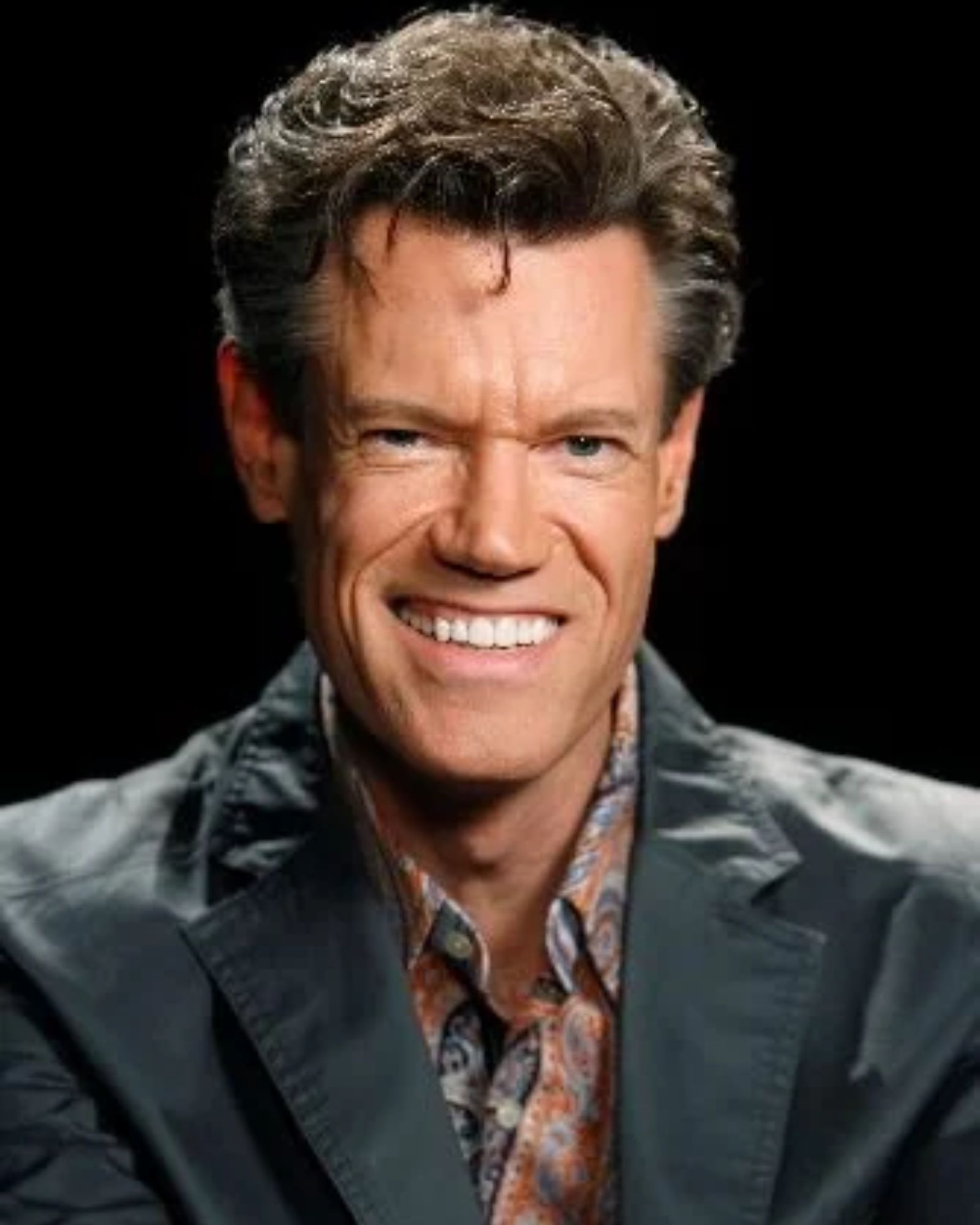
Before the No. 1 hits and the Grand Ole Opry membership, before Storms of Life made Randy Travis the voice of country music’s return to tradition, there was a song with the wrong year in its title.
The song was called “1962.” Randy Travis was born in May 1959, which means that in 1962 he turned three years old.
A Song About a Love Lost Before He Could Walk Straight
Songwriters Buddy Blackmon and Vip Vipperman wrote a song about a man looking back on a love he let slip away. It was a classic country idea: regret, an old photograph, and a year the narrator can’t stop going back to.
When Randy Travis and producer Kyle Lehning heard it, they knew it suited that deep, steady baritone. The problem was the date. Randy Travis told the radio show American Country Countdown in 1986 that he didn’t feel comfortable singing about a love he had lost when he was barely more than two years old.
So Randy Travis and Kyle Lehning changed one number. “1962” became “1982,” only about three years before the recording. A grown man could believe a heartbreak that recent, and so could the people listening on the radio.
One small edit turned a toddler’s love song into a believable ballad, and a believable ballad into a career.
Ten Years of Almost
The edit mattered because Randy Travis badly needed a hit. Before Warner Bros. came along, the young singer from Marshville, North Carolina, had been trying for years. In 1978, recording under his birth name, Randy Traywick, he released two singles. “She’s My Woman” peaked at No. 91. “I’ll Take Any Willing Woman” didn’t chart at all.
Randy Travis spent the early 1980s at the Nashville Palace, a nightclub managed by Lib Hatcher, where he worked as a cook and sang for the crowd. Record labels passed on him again and again. Warner Bros. finally signed him in 1985.
The first Warner single, “On the Other Hand,” came out in July 1985. Paul Overstreet and Don Schlitz had written a beautiful song, but radio barely noticed. It peaked at No. 67.
“1982” Breaks Through
Warner released “1982” on December 2, 1985. This time radio listened. The song climbed into the Top 10 in early 1986 and peaked at No. 6 on the Billboard country chart, and at No. 5 in Canada. After nearly a decade of trying, Randy Travis had his first Top 10 hit.
Doors opened quickly. On March 7, 1986, Randy Travis made his Grand Ole Opry debut. Little Jimmy Dickens introduced him, and Randy Travis sang Hank Williams’ “I’m So Lonesome I Could Cry,” an old song from a young man who was about to help bring the old sound back.
The Song That Got a Second Chance
Then Warner Bros. had a puzzle. The label wanted to build on “1982” but didn’t believe Randy Travis had another recorded song strong enough to follow it. Nick Hunter, who promoted Warner’s singles to country radio, had noticed something important: “On the Other Hand” had sold well, even with little airplay and a No. 67 peak.
So in April 1986, Warner did something unusual and sent “On the Other Hand” back to radio. This time it climbed all the way up. On the chart dated July 26, 1986, “On the Other Hand” became the first No. 1 hit for Randy Travis.
Then Came the Storm
Storms of Life arrived on June 2, 1986. The album went to No. 1 on the country albums chart and produced four big singles: “On the Other Hand,” “1982,” “Diggin’ Up Bones,” and “No Place Like Home.” By December 1986, Randy Travis was a member of the Grand Ole Opry, introduced that night by Ricky Skaggs.
Sixteen No. 1 singles would follow over the years. Decades later, Garth Brooks recorded his own version of “1982” for his 2016 box set, The Ultimate Collection.
The Year That Almost Wasn’t
It is easy to remember Randy Travis for “Forever and Ever, Amen” or “Three Wooden Crosses.” But the door opened with a modest song about regret, one that only worked because a young singer was honest about his own age.
If “1962” had stayed in the title, maybe the song would still have been a hit. Maybe not. What we know is that Randy Travis changed one number, radio finally listened, and the debut single that had stalled at No. 67 got a second chance to become the first of many No. 1 hits.